India's U-19 Cricket World Cup Triumph: A Tale of Teenage Dreams and Determination
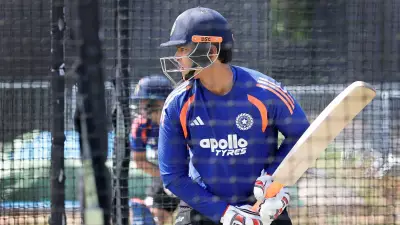
On a historic Friday evening in Harare, the struggles and aspirations of 15 young cricketers culminated in a glorious moment as they lifted the Under-19 Cricket World Cup trophy. This victory, India's fifth junior title, underscores the nation's unflinching supremacy and the dizzying depth of talent in the sport.
Vaibhav Sooryavanshi: The Prodigy from Samastipur
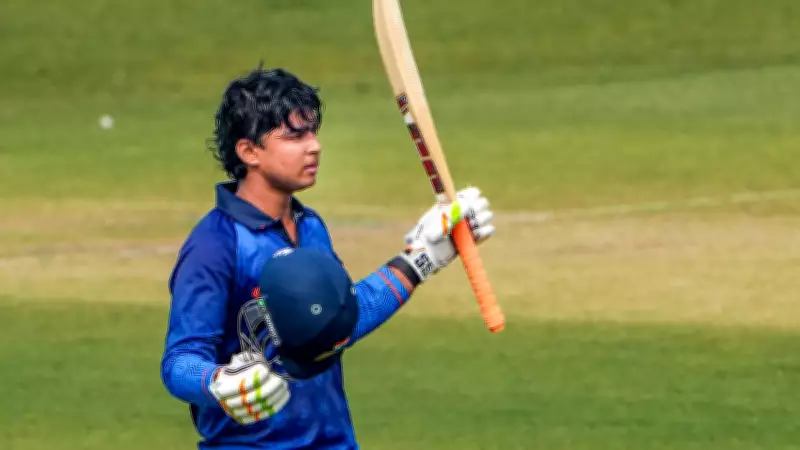
At the heart of this triumph is 14-year-old Vaibhav Sooryavanshi, who scored a breathtaking 175 off just 80 balls in the final against England, securing the second fastest century in U-19 World Cup history. Hailing from Tajpur village in Bihar's Samastipur—a district with high poverty rates—Sooryavanshi's journey is nothing short of miraculous.
His father, Sanjeev, would drive him and his brother to Patna thrice a week for training on turf wickets, as local facilities were basic. The turning point came when Rajasthan Royals scouts spotted him, leading to a trial that impressed legendary batsman Kumar Sangakkara. Now an IPL regular, Sooryavanshi has redefined what a teenager can achieve in cricket.

Diverse Journeys from Across India
The team's success is woven from varied backgrounds. Medium-pacer Henil Patel from Jujwa village in Gujarat had never bowled with a leather ball until a district trial. His father, Dilip, a private firm employee, lacked connections but instilled a strong work ethic.
Other players expanded India's cricketing map: Harvansh Pangalia from Gandhidham, whose father drives a truck in Canada; Kanishk Chouhan from Haryana's Kulana village; and Mohammed Enaan, who returned from the Middle East to pursue his dream. Each story reflects unique challenges and unwavering commitment.
Fathers' Unfulfilled Dreams Fuel New Generations
Behind many of these young stars are fathers whose own cricketing aspirations were cut short. Deepesh Devendran's father, a former Tamil Nadu cricketer, joined the outlawed Indian Cricket League and now guides his son with hard-earned wisdom. R S Ambrish's father, R Sukumar, sacrificed his cricket career for a Railways job but ensures his son gets the exposure he lacked.
These parents, from a generation where cricket was just gaining momentum, faced barriers like limited infrastructure and guidance. Their dreams now live through their children, who benefit from a more structured system.
Metro Challenges and Lifelong Bonds
Captain Ayush Mhatre's journey from Virar to Mumbai involved four-hour train commutes, mirroring the intense competition in city cricket. His teammate Abhigyan Kundu traveled in unreserved coaches and slept at railway stations as part of his training, preparing for life's harsh realities.
The U-19 World Cup not only forges stars but also lifelong bonds. The 2008 winning team, including Virat Kohli and Ravindra Jadeja, maintains a WhatsApp group where they reconnect as teenagers. Kohli's friendship with the late Phil Hughes, born during the tournament, highlights the emotional depth of these connections.
Legacy and Cautionary Tales
While this victory promises bright futures, history offers caution. Of the 179 Indian cricketers who have played junior World Cups, only 52 have reached international cricket, with a third not featuring in more than 10 first-class games. Names like Unmukt Chand and Prithvi Shaw remind us of the pitfalls of early fame.
Yet, the tournament has launched legends like Yuvraj Singh and Virat Kohli, who have shaped Indian cricket. The 2026 batch, now forever tagged as "The victorious batch of 2026," carries this legacy forward, with hopes that they will become torchbearers for the nation's cricketing future.