India's U-19 World Cup Victory: A Collective Masterpiece
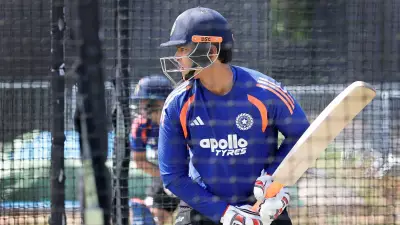
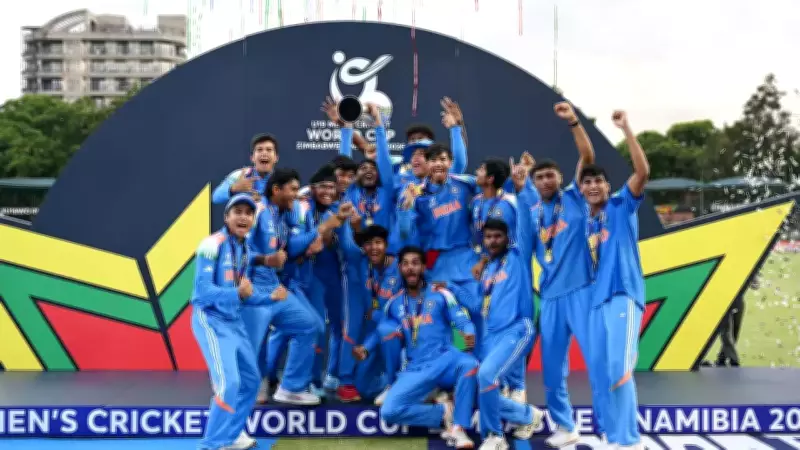
India arrived at the U-19 World Cup with immense expectations, and the spotlight firmly fixed on the prodigious talent of Vaibhav Sooryavanshi. His breathtaking innings of 175 runs off just 80 balls in the final against England was a spectacle that captivated the cricketing world, echoing the legendary impacts of Yuvraj Singh in 2000 and Virat Kohli in 2008. However, the championship title was not secured by a single individual's brilliance alone. It was forged through the remarkable range, unwavering resilience, and timely contributions from every corner of the squad, powerfully underlining India's exceptionally deep talent pool and the limitless possibilities that lie ahead for this generation of cricketers, who are now poised to soar to greater heights.
The Stellar Performers Behind the Triumph
Vaibhav Sooryavanshi emerged as the undeniable poster boy of the tournament. At just 14 years old, his explosive batting redefined youth cricket. In the final, his 175 was more than just a score; it was a bold statement of intent and raw talent. Across the competition, he amassed 743 runs with a highest score of 175, an average of 62.71, and a staggering strike rate of 169.53, including 13 half-centuries and 30 sixes, showcasing his ability to dominate bowling attacks with sheer power and precision.
Vihaan Malhotra, a dedicated Virat Kohli admirer, proved to be the backbone of the middle order. He scored 240 runs in seven matches, highlighted by an unbeaten 109 against Zimbabwe during the Super Six stage. His performances were marked by a blend of elegant flair and mature temperament, particularly in closing out high-pressure games, which demonstrated his readiness for bigger challenges.

Ayush Mhatre, the captain, served as the steady heartbeat of India's campaign. His calm and composed leadership was complemented by crucial runs when they mattered most. He scored vital half-centuries in both the semifinal and the final, providing much-needed stability to the innings and guiding the team through tense moments with poise and determination.
Aaron George rose to the occasion with a match-defining performance in the semifinal against Afghanistan. His assured 115 off 104 balls was a masterclass in controlled aggression, carrying the team into the final and highlighting his ability to perform under immense pressure.
R Ambrish, a rare seam-bowling all-rounder, made a significant impact with the new ball. Operating at hard lengths while opening the attack, the 18-year-old from Chennai claimed 11 wickets in seven matches, with an average of 20.63 and an economy rate of 4.93. His consistent breakthroughs provided India with early advantages, showcasing his versatility and skill.
The Broader Implications for Indian Cricket
This victory is not merely about lifting a trophy; it is a testament to the robust system nurturing young talent in India. The diverse contributions from players like Sooryavanshi, Malhotra, Mhatre, George, and Ambrish illustrate a well-rounded team capable of adapting to various situations. Their success signals a bright future for Indian cricket, with a generation ready to transition seamlessly into senior roles. The depth of talent on display suggests that India's cricketing pipeline is stronger than ever, promising sustained excellence on the global stage.
As these young stars prepare for the next chapters in their careers, their World Cup journey serves as a powerful reminder that while individual brilliance can shine, it is the collective effort that ultimately secures glory. The class of 2026 has set a high benchmark, and the cricketing world will be watching closely as they aim to replicate this success in future tournaments, including the T20 World Cup.