Reliving a Historic U-19 World Cup Triumph: Amit Pagnis on Captaincy and Pressure
As India prepares to face Pakistan in the Under-19 World Cup in Bulawayo this Sunday, former cricketer Amit Pagnis takes a nostalgic journey back to 1998. He led India to a memorable victory over their arch-rivals in the Under-19 World Cup held in South Africa. In an exclusive reflection, Pagnis, who scored a brisk 52 runs off 42 balls in that crucial game, shares the intricate details of the match with journalist Shankar Narayan.
The Weight of Leadership: Managing Future Icons
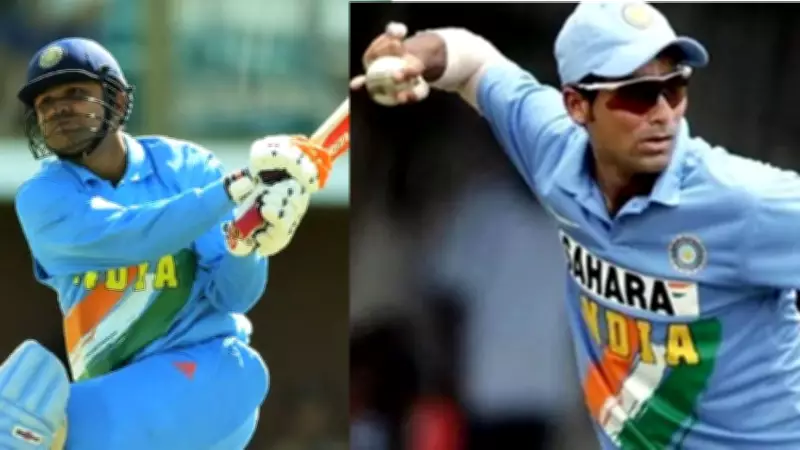
Amit Pagnis served as the captain of India's 1998 Under-19 World Cup squad, a team brimming with talent that included future legends like Virender Sehwag and Mohammad Kaif. Despite the high stakes, Pagnis emphasizes that leading such a group was never an overwhelming burden. "We had immense respect for each other," he recalls, "and I genuinely enjoyed captaining them. It was a fun experience playing alongside such promising players." The camaraderie within the team, which also featured Reetinder Sodhi, Laxmi Ratan Shukla, and Amit Bhandari, fostered a supportive environment that eased the pressures of leadership.
A Crucial Encounter: The Super League Showdown in Durban
The match against Pakistan in Durban was pivotal for India's campaign. Having lost to Australia earlier, the team faced a strict equation: to qualify, they needed to chase down a target of 191 runs within a specific number of overs to improve their net run rate. This wasn't just about winning; it was a calculated battle against the clock. Pagnis explains how this scenario forced strategic changes, such as promoting Shukla and Sehwag up the batting order while he himself dropped down. However, early wickets fell, making the target appear daunting. By the 22nd or 25th over, India had to be near 180 runs, a demanding requirement that tested the team's resolve.

Navigating High-Pressure Situations with Positive Intent
In normal circumstances, Pagnis would adopt a run-a-ball approach to build an innings. But this match demanded aggressive intent from the outset. "Pakistan made it incredibly tough," he notes, highlighting the disciplined bowling of Abdul Razzaq and Shoaib Malik. The added pressure of an India-Pakistan clash intensified the challenge, yet years of practice and prior experience in similar situations helped the team maintain focus. Pagnis's strategy upon entering the crease was straightforward: keep the scoreboard ticking and adhere to the required run rate. Every over mattered more than usual, and his timely innings proved instrumental in securing the victory, bolstered by the trust and mutual understanding among teammates.
The Lasting Impact of U-19 World Cup Experiences
Reflecting on the broader significance, Pagnis underscores the importance of tournaments like the Under-19 World Cup for young cricketers. "After local cricket, you need an international stage to gauge your skills and compete against diverse teams," he asserts. Such events provide invaluable exposure, challenging players to perform and make a mark for their future careers. For Pagnis and his teammates, that particular match against Pakistan was a defining step in their cricketing journeys, shaping their paths to professional success.
Amit Pagnis, who captained India's 1998 Under-19 World Cup side, shared these insights in a conversation with Shankar Narayan, a seasoned sports journalist based in Mumbai with extensive experience covering cricket from Ranji Trophy to ICC World Cups.