Former Cricketer Madan Lal Criticizes Pakistan's Reported Boycott Threat
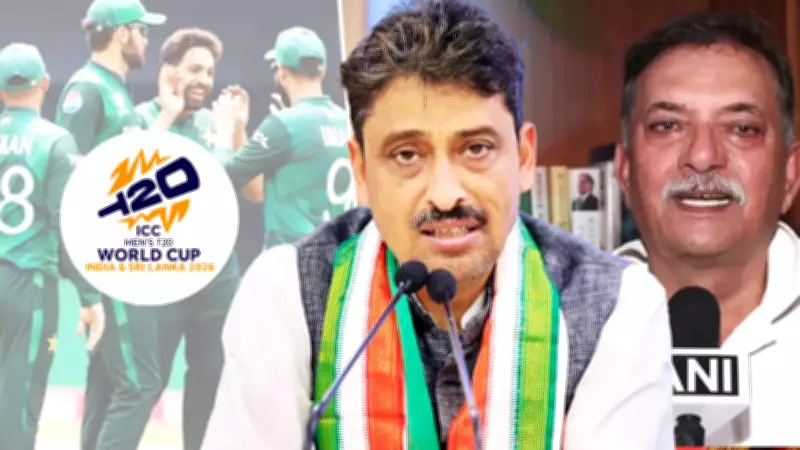
The cricketing world is abuzz with controversy following reports that Pakistan might boycott its match against India in the upcoming ICC Men's T20 World Cup 2026. This potential decision has sparked intense debate across political and sporting circles, with former India cricketer Madan Lal delivering a sharp critique of what he terms a self-defeating move by Pakistan.
Madan Lal's Strong Stance on the Boycott Threat
Madan Lal, a respected figure in Indian cricket, minced no words in his assessment. He argued that such a boycott would primarily harm Pakistan's own cricket ecosystem. While Pakistan isolates itself, major cricketing nations will continue to dominate in terms of crowd support, sponsorships, and global visibility, Lal emphasized. His comments highlight a broader concern that political posturing could undermine the sport's growth and the opportunities for Pakistani players on the world stage.
Political Reactions and Calls for Restraint
The debate has also drawn reactions from political figures, adding layers to the discussion. Congress MP Imran Masood took a firm stance, suggesting that India should preemptively refuse to play Pakistan and urging the Board of Control for Cricket in India (BCCI) to safeguard the nation's honor. This viewpoint reflects the deep-seated tensions that often spill over into sports.

However, not all political voices are aligned. Congress MP Manickam Tagore advocated for restraint, warning against the dangers of politicizing cricket. He expressed hope that the government would make a considered and responsible decision, emphasizing that sustaining tensions through such boycotts could hinder the normalization of bilateral ties. Tagore's call for diplomacy underscores the complex interplay between sports and international relations.
Broader Implications for Cricket and Diplomacy
This incident raises critical questions about the role of cricket in diplomacy. Key points to consider include:
- The impact of boycotts on player careers and team morale in Pakistan.
- How such decisions affect global tournaments and fan engagement worldwide.
- The balance between national pride and sporting spirit in high-stakes matches.
As the T20 World Cup 2026 approaches, all eyes will be on how this situation unfolds. Will Pakistan follow through on its reported threat, or will cooler heads prevail to keep cricket above political fray? The coming months are likely to see further developments as stakeholders weigh the consequences.
In summary, Madan Lal's criticism serves as a stark reminder of the potential fallout from mixing sports with politics. While emotions run high, the hope remains that cricket can continue to be a bridge rather than a barrier in international relations.