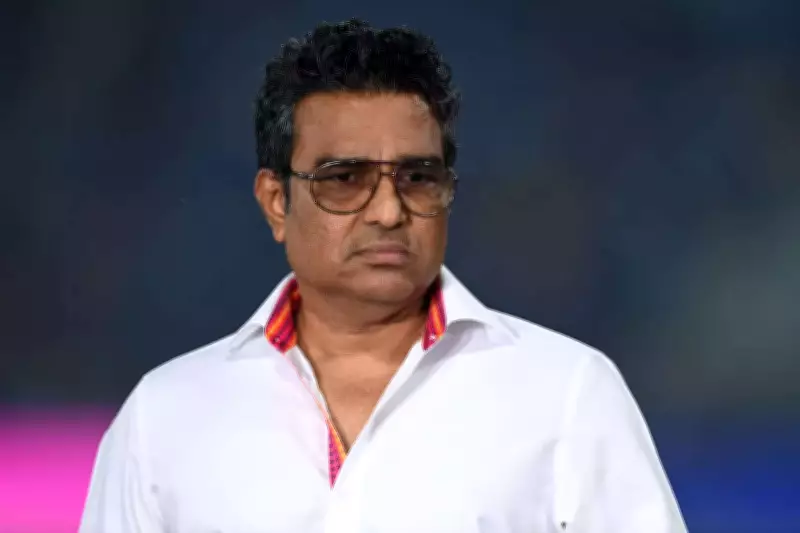
With the 10th edition of the men's T20 World Cup just eight days away, former India batter Sanjay Manjrekar has reignited a significant debate about the tournament's standing in cricket's global hierarchy. Manjrekar, a veteran of India's World Cup campaigns in 1992 and 1996, has long maintained that there is only one true Cricket World Cup, and it belongs exclusively to the 50-over format.
The Core Argument: Frequency and Legacy
Manjrekar believes the shortest format's showpiece does not carry the same weight or legacy as the 50-over World Cup and should not be viewed through the same lens. He pointed to the frequency of the T20 tournament as a key reason for his stance, with the competition taking place every two years. For Manjrekar, that regularity dilutes its stature and separates it from the traditional World Cup narrative built around the ODI format, which demands a longer, four-year cycle of preparation and endurance.
A Clear Distinction in Naming
In a post on social media platform X, Manjrekar stated his position unequivocally. "For me, the 'Cricket World Cup' will always be the 50 overs World Cup. The T20 version, held every two years, must not be given the same status as a World Cup that comes once every 4 years. I prefer the original name for it - The WorldT20," he wrote. This perspective references the tournament's original branding; it was called the 'World T20' for its first six editions between 2007 and 2016 before being renamed the T20 World Cup from the 2021 edition.

Context: The ODI Format's Uncertain Future
Manjrekar's comments arrive at a particularly poignant time for the one-day format itself. Once the undisputed backbone of international cricket, ODIs are increasingly viewed by many as the least compelling of the three formats, with Test cricket and T20Is dominating schedules and fan attention. There is a growing belief within the cricketing community that the 2027 World Cup in South Africa could potentially be the final ODI World Cup, despite the 2031 edition being officially earmarked for co-hosts India and Bangladesh. This backdrop adds weight to Manjrekar's defense of the 50-over tournament's premier status.
Echoes of a Shared Sentiment
Manjrekar's outlook is not isolated. It mirrors sentiments previously expressed by other prominent Indian cricketers, including former captain Rohit Sharma. Despite having lifted the T20 World Cup trophy, Sharma has consistently placed the 50-over World Cup on a higher pedestal. This shared reverence perhaps explains why India's heartbreaking defeat to Australia in the 2023 ODI World Cup final continues to resonate so deeply with players and fans alike, underscoring the unique emotional weight carried by the traditional tournament.
The debate sparked by Manjrekar touches on fundamental questions about cricket's evolution, the value of legacy versus modern entertainment, and how the sport crowns its true world champions. As the T20 World Cup approaches, his words serve as a reminder of the rich history and distinct challenges that define the 50-over format's premier event.