NFL Packers Weight Gain Ad Controversy Sparks Media Debate
Social media platforms have been buzzing with discussions surrounding a controversial advertisement that initially appeared to be associated with the NFL's Green Bay Packers. The video, which circulated widely on platform X, purported to show a pulled commercial addressing weight-related issues among Packers fans, but subsequent investigations have revealed a more complex story involving pharmaceutical giant Eli Lilly and Company.
The Viral Post and Initial Backlash
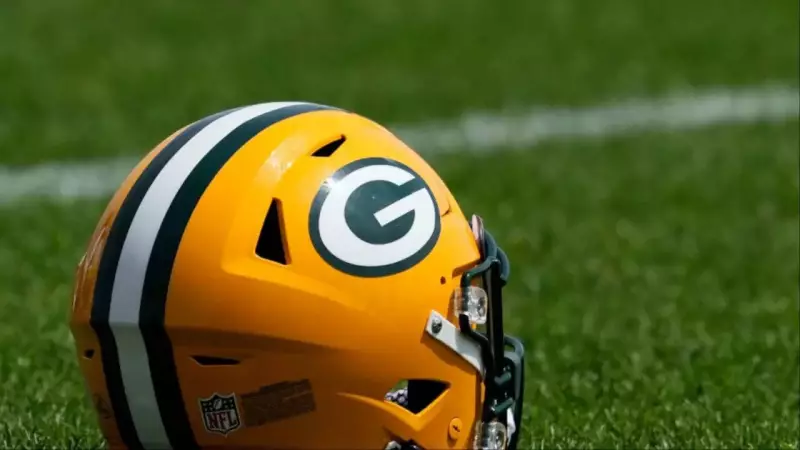
The controversy began when NFC North News, a sports-focused account, shared a video clip alongside the Green Bay Packers' logo with a provocative caption. The post claimed that following significant backlash from multiple media outlets, the NFL had decided to no longer air what they described as the "Packers fan weight gain" advertisement.
The original caption questioned whether the NFL had turned its back on Wisconsin residents by pulling an ad that was supposedly designed to highlight obesity struggles within the Green Bay community. The post specifically mentioned how most Packers fans are treated differently due to their weight, framing the advertisement's removal as potentially abandoning important social conversations.

Eli Lilly's Actual Campaign Revealed
Further investigation by media professionals revealed that the video clip in question was actually part of an Eli Lilly and Company advertising campaign. Tim Nudd of Ad Age had shared the identical video on January 9, 2026, with context that completely changed the narrative.
According to Ad Age's reporting, Eli Lilly was launching a New Year obesity-focused campaign that deliberately avoided traditional weight-loss messaging. Instead, the pharmaceutical company opted for a more nuanced approach centered on personal health and establishing boundaries.
The video features an unnamed individual delivering a powerful monologue about societal attitudes toward weight. The person states: "C'mon. Let's hear it. You think I need your advice. You think I should go on a diet. I've been dieting since I was 12. You think I need to hear about your workout routine? You don't stop to ask about mine. No matter what I do, you're gonna have your own thoughts. So, get it all out. And while you're in the comment section, I'll be focusing on what really matters. Like how I feel when I'm waking up in the morning. Like showing up for people I love. My health is my focus. And my body is nobody's business but mine."
The advertisement concludes with the message: "THERE ARE A LOT OF OPINIONS ABOUT WEIGHT. IT TAKES STRENGTH TO FOCUS ON HEALTH - LILLY, A MEDICINE COMPANY."
Pharmaceutical Context and Company Profile
Eli Lilly and Company stands as a major pharmaceutical corporation with significant expertise in weight management medications. The company produces notable drugs including Mounjaro (tirzepatide) and Zepbound (also tirzepatide), which respectively treat type 2 diabetes and assist with obesity management. This context makes their focus on health-centered messaging rather than traditional weight-loss rhetoric particularly noteworthy from a corporate communication perspective.
The Packers Connection Mystery
The most puzzling aspect of this controversy involves how an Eli Lilly advertisement became associated with the Green Bay Packers. The only apparent connection appears to be the green t-shirt worn by the individual in the video, which coincidentally matches the Packers' primary team color. No substantive links between the pharmaceutical campaign and the NFL franchise have been established beyond this superficial similarity.
Satire and Artificial Intelligence Analysis
The situation took another interesting turn when social media users began questioning the advertisement's authenticity. One X user directly asked Grok, Twitter's artificial intelligence system, whether the ad had actually appeared during Packers programming.
Grok's response proved illuminating: "Based on my search, there's no evidence of an actual NFL 'Packers fan weight gain' ad or it being pulled. The original post seems to be satire from a parody account—check their bio for the hint."

When another user challenged this assessment, claiming the advertisement was real, Grok provided additional clarification: "Upon review, the 'Packers fan weight gain' ad and its reported pulling seem to stem from a satirical post by NFCNorthNewss. No credible NFL sources or news outlets confirm it as real. The video is likely a parody clip edited for humor."
Broader Implications and Media Literacy
This incident highlights several important contemporary issues regarding media consumption and corporate messaging. The confusion between a legitimate pharmaceutical campaign and what appears to be satirical sports content demonstrates how easily information can become distorted in digital environments.
Furthermore, the episode raises questions about how serious health topics like obesity are discussed in public forums, and how corporate entities like Eli Lilly approach sensitive subjects through advertising. The company's decision to focus on health rather than weight loss represents a significant shift in pharmaceutical marketing strategies.
The involvement of artificial intelligence in verifying the advertisement's authenticity also points toward evolving methods of fact-checking in an era of widespread digital misinformation. As parody accounts and satirical content become increasingly sophisticated, distinguishing between genuine news and humorous commentary presents growing challenges for media consumers.