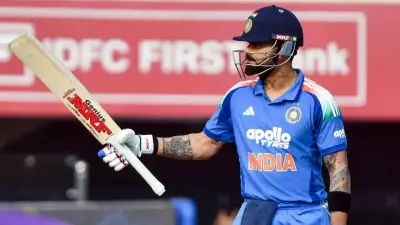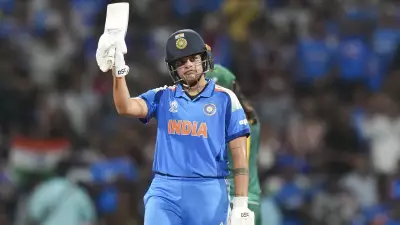
Nitish Reddy ruled out of Ireland T20Is with quadriceps injury
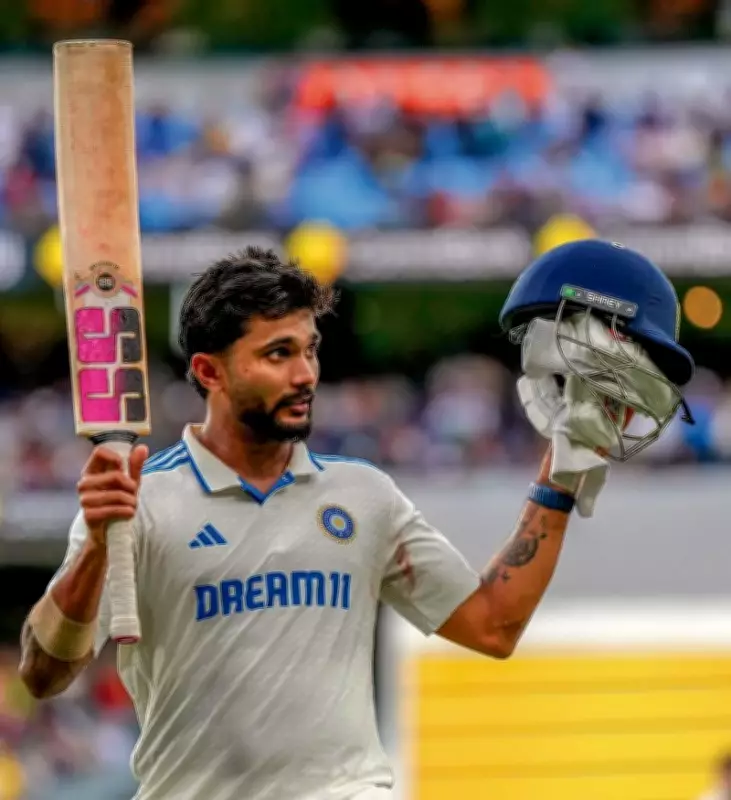
India all-rounder Nitish Reddy has been ruled out of the upcoming white-ball tour of the United Kingdom, including the T20I series against Ireland, due to a quadriceps injury sustained during the recent ODI series against Afghanistan. The injury is also likely to keep him out of the subsequent T20I series against England.
The 23-year-old, who had been seen as a potential replacement for Hardik Pandya in the ODI setup, suffered a left quadriceps injury during the Afghanistan series. The Board of Control for Cricket in India (BCCI) medical team confirmed the severity of the injury after an MRI scan.
Medical report confirms fiber disruption
“Nitish Kumar Reddy has been ruled out of the Ireland series. The MRI has revealed swelling with fiber disruption in the left quadriceps. He has been asked to report at the Centre of Excellence (COE) for further assessment,” a BCCI medical bulletin stated.

Reddy is expected to take a minimum of four weeks to complete his rehabilitation before he can begin Return to Play protocols. The recovery timeline could extend further depending on his progress.
Reddy has played 10 Tests, 6 ODIs, and 4 T20Is for India so far. During the Afghanistan series, he featured in two ODIs but missed the second game in Lucknow due to the injury.
Injury raises concerns over workload management
India bowling coach Morne Morkel had earlier downplayed the injury, stating it did not appear serious. However, subsequent assessments revealed a more significant issue. Many experts believe that Reddy’s recent work with independent fast bowling coach Steffan Jones, which helped increase his bowling speed from the late 120 kmph to a brisk mid-130 kmph, may have placed additional strain on his body, contributing to the injury.
Reddy was expected to fill the void left by Hardik Pandya, who is also managing a quadriceps niggle and is not yet fit to bowl 10 overs in ODIs. His absence will be a setback for India’s plans as they prepare for the T20 World Cup.