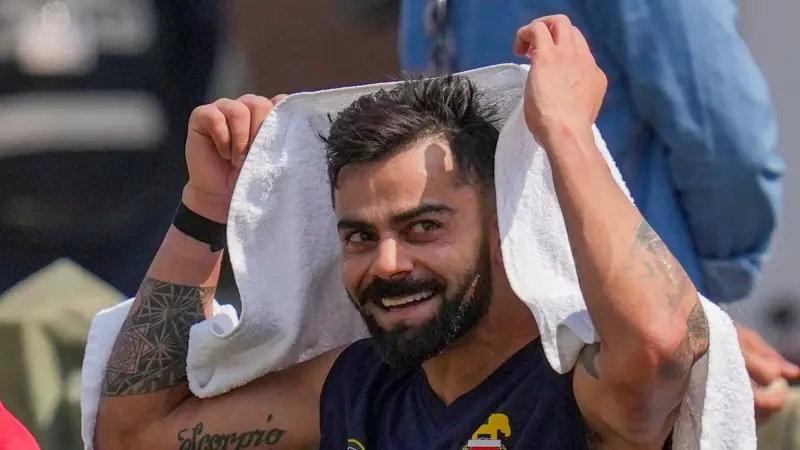
The much-anticipated domestic cricket return of Indian superstars Virat Kohli and Rohit Sharma turned into a frustrating experience for fans on December 24, 2025. Despite both players confirming their participation in the opening round of the Vijay Hazare Trophy, their matches were conspicuously absent from television and online streaming platforms.
The Broadcast Blackout for Star-Studded Fixtures
Following India's dominant white-ball series victory over South Africa, attention shifted to the domestic circuit as the stalwarts made their comeback. Virat Kohli returned to play for Delhi against Andhra Pradesh in Bengaluru after a gap of nearly 15 years. Simultaneously, Rohit Sharma was back in action for Mumbai against Sikkim. Both had confirmed availability for their team's first two matches, leading to a surge in fan interest.
However, eager fans tuning into their TVs and mobile devices found no live coverage of the Delhi vs Andhra Pradesh or Mumbai vs Sikkim fixtures. Instead, the Board of Control for Cricket in India (BCCI) chose to broadcast and stream other group stage matches: Pondicherry vs Tamil Nadu and Hyderabad vs Uttar Pradesh. This decision left many bewildered, as matches featuring such high-profile players typically dominate broadcast schedules.

Key Reasons Behind the Telecast Snub
The primary cause for the lack of live coverage boils down to BCCI's limited permanent broadcast infrastructure. According to a Financial Express report, the board currently has permanent, ready-to-use broadcast facilities only at two venues:
- The Narendra Modi Stadium in Ahmedabad.
- The Niranjan Shah Stadium in Rajkot.
Broadcasting matches from any other venue, including those in Bengaluru where Kohli played, requires the BCCI to make significant additional logistical arrangements. This involves transporting and setting up outside broadcast (OB) vans, cameras, and production crews, which is a complex and costly process.
Furthermore, it is understood that the late confirmation of availability from Kohli and Rohit for the first two rounds may have played a part in the decision. Broadcast schedules and logistics are often planned well in advance, and last-minute changes involving star players can be difficult to accommodate.
A Common Challenge in Domestic Cricket
This incident highlights a recurring issue in Indian domestic cricket. The lack of telecast is not unique to the Vijay Hazare Trophy. Group stage matches in the prestigious Ranji Trophy and the Syed Mushtaq Ali T20 Trophy also frequently go untelevised due to similar constraints.
The BCCI's current model prioritizes marquee knockout matches and games at its few equipped stadiums for live coverage. While this ensures quality production for some events, it leaves a vast majority of domestic cricket, including games featuring returning national stars, inaccessible to the viewing public.
The situation underscores the growing disconnect between fan demand for access to all cricket involving their heroes and the existing logistical and infrastructural limitations within the country's cricket administration.