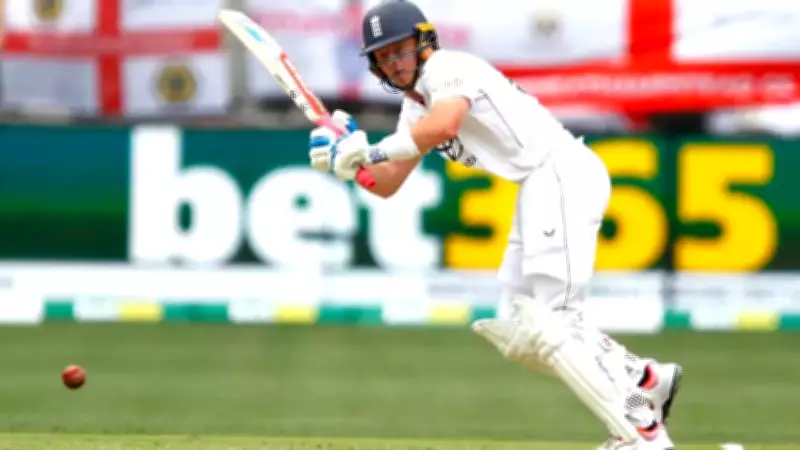
Ollie Pope Addresses Criticism After England's Ashes Defeat in Australia
England batter Ollie Pope has publicly responded to the widespread criticism that followed his side's disappointing Ashes series loss in Australia. The 2025/26 Ashes series, led by captain Ben Stokes, concluded with a decisive 4-1 victory for the Australian cricket team. This defeat has prompted an ongoing review by the England and Wales Cricket Board (ECB), examining both on-field performances and off-field conduct.
Defending Team Focus Amidst Public Perception
Speaking at Surrey's media day, the 28-year-old Pope addressed the perception that the England team was not fully committed or "fussed" about the prestigious series. "As a team, the misconception might be that we weren't as fussed as it came across," Pope told reporters. He emphasized that the squad remained intensely focused on winning the Ashes, pointing to the critical first Test in Perth as a pivotal moment that shaped the entire narrative of the tour.
"The tough thing for everyone in that first game was the nature of it. Had we won that, and we'd done slightly better on day two, the idea is different," Pope explained. He acknowledged the team's desire to be well-liked both on and off the pitch, but conceded that their performance in Australia did not allow that to happen. "I can understand why people felt that way, but at the same time the perception that we weren't fussed was probably the hard thing. All we wanted to do was go and win the Ashes...All anyone wanted to do was to win," he stated firmly.

Addressing Preparation and Team Culture Concerns
The Ashes tour drew significant attention not only for the results but also for reports surrounding team culture. During a break in Noosa, there were claims of players drinking heavily. Additionally, reports emerged that vice-captain Harry Brook had an altercation with a nightclub bouncer during a pre-series visit to New Zealand. These incidents contributed to the public perception that England's preparation was lacking.
Pope addressed questions about England's preparation in Australian conditions, which included a three-day match against England Lions at Lilac Hill in Perth. "Going into that series, there was a lot spoken about the preparation of it," he noted. "As we've done over the previous years, we tried to treat it like a normal series to get the best out of ourselves. Unfortunately, it didn't quite go to plan." From a personal standpoint, Pope asserted that he felt as prepared as possible for the first Test, stating, "I know what I need to be as ready as I can be. From a personal point, I felt as ready as I could have been for that first Test."
Personal Performance and Future Aspirations
Pope's individual performance during the series fell short of expectations, leading to his dropping after the third Test. He averaged just 20.83 across the first three matches. His replacement, Jacob Bethell, capitalized on the opportunity by scoring a century in the fifth Test in Sydney, highlighting the competitive nature of the squad.
Despite this personal setback, Pope remains optimistic about his future in international cricket. "I still feel like my best batting years are to come," he declared, expressing his determination to return to the England side. His comments come at a time when the ECB has reversed its initial plan to restrict Ashes players from speaking to the media ahead of the county season, allowing players like Pope to share their perspectives while the tour review continues.
Broader Implications for English Cricket
The Ashes defeat and subsequent criticism have sparked broader discussions about:

- Team Preparation: The effectiveness of England's approach to acclimatizing to Australian conditions.
- Cultural Standards: The balance between professional discipline and team bonding during international tours.
- Media Management: How player interactions with the press influence public perception during challenging series.
- Player Development: The pathway for returning players like Pope after being dropped from the national side.
Pope's candid remarks provide insight into the team's mindset during a difficult tour, challenging the narrative of indifference while accepting responsibility for the outcomes. As the ECB review progresses, these reflections will likely inform future strategies for England's cricketing endeavors on the international stage.