Pakistan Withdraws from India Clash in T20 World Cup Over Bangladesh Controversy
In a dramatic development that has sent shockwaves through the cricketing world, the Pakistan Cricket Board (PCB) has announced it will not play its scheduled group league match against arch-rivals India in the upcoming T20 World Cup. This decision comes as a direct act of solidarity with Bangladesh, which was recently ousted from the tournament co-hosted by India and Sri Lanka.
Government Approval with a Crucial Exception
The Pakistani government has granted formal clearance for the national cricket team to participate in the T20 World Cup, which is set to commence on February 7. However, this approval comes with a significant caveat. A government release explicitly stated, "The government of Pakistan grants approval to the Pakistan cricket team to participate in the Twenty20 World Cup, however, the Pakistan team shall not take the field in the match scheduled on 15th February against India."
This move represents a bold stance, as the PCB holds binding contractual agreements with both the International Cricket Council (ICC) and the Board of Control for Cricket in India (BCCI) regarding playing matches on neutral soil. Pakistan is still scheduled to open its tournament campaign against the Netherlands at the Sinhalese Sports Club Cricket Ground in Colombo.

The Timeline of Escalating Tensions
The decision follows a series of escalating events that began with deteriorating relations between India and Bangladesh:
- January 3: The BCCI instructed Kolkata Knight Riders to release Bangladeshi pacer Mustafizur Rahman from their IPL squad, citing strained bilateral relations.
- January 6: Bangladesh ordered the cessation of IPL broadcasts within the country. The Bangladesh Cricket Board (BCB) raised security concerns, suggesting that if any player was deemed a security risk, the entire team's safety could be compromised.
- January 12: BCB formally requested the ICC to relocate their T20 World Cup matches from India to Sri Lanka, proposing a hybrid model similar to the 2023 Asia Cup arrangement.
- January 21: The ICC Board voted 14-2 against moving Bangladesh's matches, with only Pakistan supporting Bangladesh's position. The ICC maintained that independent security assessments found no credible threats to players in India and gave Bangladesh a 24-hour deadline to confirm travel.
- January 22: After meetings involving the national squad, BCB officials, and government advisers in Dhaka, Bangladesh decided against traveling to India for the tournament.
- January 24: The ICC formally replaced Bangladesh with Scotland in Group C of the T20 World Cup.
Pakistan's Deliberate Decision-Making Process
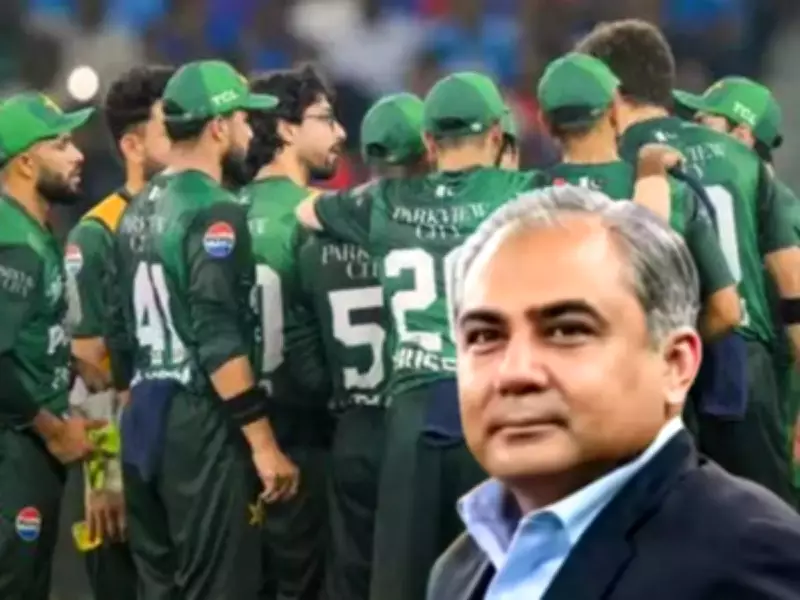
Following Bangladesh's removal, PCB Chairman Mohsin Naqvi emphasized that Pakistan's final decision would depend on government directives rather than ICC mandates. "Our stance [on World Cup participation] will be what the government of Pakistan instructs me," Naqvi stated. "It's the government's decision. We obey them, not the ICC."
The decision-making process involved multiple high-level consultations:
- January 26: Naqvi met with Prime Minister Shehbaz Sharif, who directed that all options remain on the table, with a final decision expected within days.
- February 1: In a second meeting within a week, this time in Lahore, the government finalized its position—clearing Pakistan's overall tournament participation while specifically prohibiting the match against India.
This development creates unprecedented circumstances for the T20 World Cup, potentially affecting tournament dynamics, broadcast arrangements, and the highly anticipated India-Pakistan rivalry that typically draws massive global viewership. The decision underscores how geopolitical tensions between neighboring nations continue to influence international sporting events, raising questions about the balance between cricket diplomacy and national sovereignty in the subcontinent.