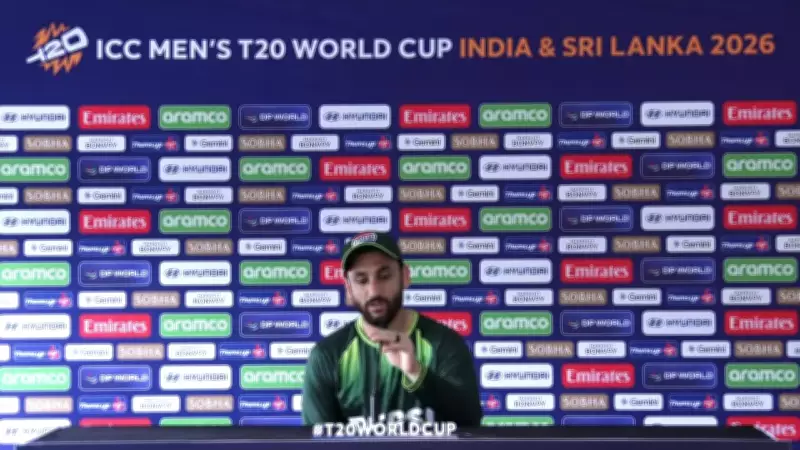
Pakistan Captain Slams India's Diplomatic Snub in Cricket
Pakistan cricket captain Salman Ali Agha has launched a strong critique against India's recent actions in international cricket, labeling them as detrimental to the spirit of the game. The controversy stems from two significant incidents: India's decision to decline touring Pakistan for the upcoming 2025 ICC Champions Trophy and their refusal to engage in the traditional post-match handshake during the Asia Cup.
'Not Good for the Game' - Agha's Stern Rebuke
In a pointed statement, Agha expressed his disappointment, emphasizing that such behavior undermines the foundational values of sportsmanship. "When teams refuse basic courtesies like handshakes or avoid scheduled tours due to political tensions, it sends the wrong message," Agha remarked. He argued that cricket should serve as a bridge between nations, not a battleground for diplomatic disputes.
Escalating Tensions and the T20 World Cup Threat
The situation has escalated with Pakistan issuing a stark warning regarding the 2026 T20 World Cup. Pakistan cricket authorities have explicitly stated they will not participate in matches against India during the tournament, citing the ongoing friction. This potential boycott could have significant implications for the event's schedule and viewership, given the historic rivalry and massive global audience for India-Pakistan clashes.

Agha elaborated on the broader impact, noting that such conflicts not only affect bilateral relations but also tarnish the image of cricket internationally. "Fans look forward to these matches, and when politics interfere, it disappoints millions," he added, highlighting the emotional investment of supporters worldwide.
Historical Context and Future Implications
This incident is not isolated; it reflects a longstanding pattern of strained cricketing ties between the two nations, often influenced by geopolitical issues. The refusal to shake hands in the Asia Cup has been particularly symbolic, seen as a breach of customary sports etiquette.
Looking ahead, the standoff poses challenges for international cricket bodies like the ICC, which must navigate these diplomatic minefields to preserve the integrity of tournaments. Agha's comments underscore a growing concern within the cricketing community about the politicization of the sport.
As tensions simmer, the cricketing world watches closely, hoping for a resolution that prioritizes the game over politics. The outcome could set a precedent for how similar disputes are handled in future international sports events.