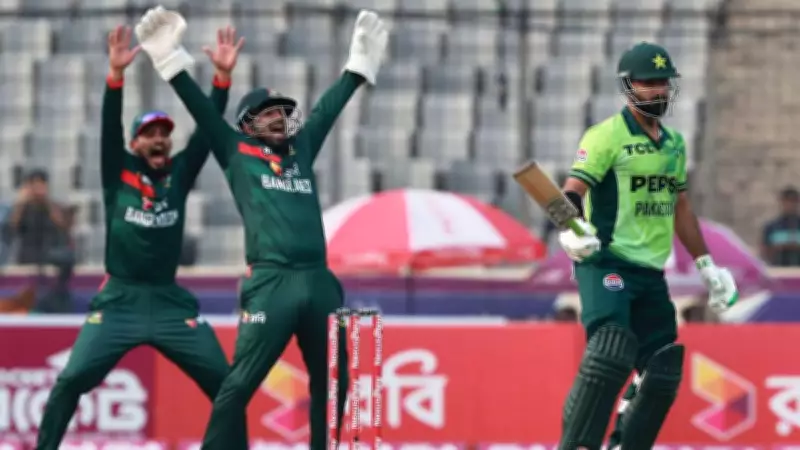
Pakistan Lodges Official Complaint Against Bangladesh Over ODI Review Dispute
The Pakistan Cricket Board (PCB) has formally lodged an official complaint with the International Cricket Council (ICC) against the Bangladesh Cricket Board (BCB) following a controversial Decision Review System (DRS) incident during the third One Day International (ODI) match between the two nations. This development marks a significant escalation in tensions between the cricketing neighbors, with Pakistan alleging a clear breach of playing conditions and the spirit of the game.
The Controversial Review Incident
The dispute centers on a specific DRS review taken by Bangladesh during a critical phase of the third ODI match. According to Pakistan's complaint, Bangladesh utilized the review system in a manner that violated established protocols and time limits stipulated in the ICC playing conditions. The Pakistani team management contends that the review was initiated after the permissible time had elapsed, yet the on-field umpires allowed it to proceed, ultimately resulting in a decision that favored the Bangladeshi side.
This incident occurred during a high-pressure moment in the match, potentially influencing the final outcome. Pakistan's complaint details that the team's on-field captain immediately raised concerns with the match officials, but these were reportedly dismissed at the time. The PCB has since gathered video evidence and match footage to support its claim that the review process was mishandled.

Formal Protest to ICC
In its official submission to the ICC, the Pakistan Cricket Board has outlined multiple grievances. The complaint emphasizes not just the technical breach of review timing, but also raises questions about the consistency of umpiring standards and the adherence to the spirit of cricket. Pakistan is seeking a thorough investigation by the ICC's match officials committee and appropriate disciplinary action if the complaint is upheld.
The PCB's statement read: "We have submitted a formal complaint to the ICC regarding a clear violation of playing conditions during the third ODI against Bangladesh. The integrity of the game must be upheld, and all teams must adhere to the same rules. We trust the ICC will investigate this matter thoroughly."
Bangladesh's Response and Broader Context
The Bangladesh Cricket Board has yet to issue an official public response to Pakistan's complaint. However, sources within the BCB suggest they believe the review was taken within the legal timeframe and that the umpires' decision on the field was final. This incident adds to a history of competitive and occasionally contentious matches between Pakistan and Bangladesh, though formal complaints of this nature are relatively rare.
The third ODI itself was part of a bilateral series, and the result of the match in question stands as recorded. Pakistan's complaint does not seek to overturn the match result but focuses on the process and precedent. The ICC is now expected to review the evidence from both boards, match officials' reports, and broadcast footage before making a determination.
Potential Implications for Future Matches
This official complaint could have several implications:
- ICC Scrutiny: The ICC may issue clarifications or stricter enforcement of DRS timing protocols for all member nations.
- Umpire Review: The performance and decisions of the match officials involved may be assessed by the ICC's umpiring panel.
- Bilateral Relations: While the boards maintain professional ties, such disputes can strain relations ahead of future series.
- Precedent Setting: The outcome could set a precedent for how similar timing disputes are handled in international cricket.
The cricketing world now awaits the ICC's response to this formal grievance, which highlights the ongoing challenges in implementing technology and maintaining uniform standards in the international game.