

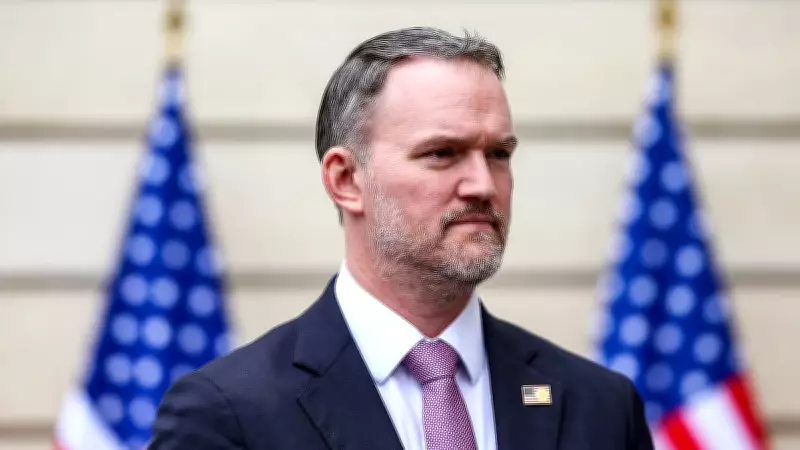
United States President Donald Trump's top trade negotiator is set to visit India as a bilateral interim trade deal approaches its final stages. The visit comes amid intensified trade negotiations between the two countries, following recent rounds of discussions held earlier this month.
Visit Details and Context
The high-level visit underscores the progress made in resolving outstanding trade issues. Both sides have been working to narrow differences on tariff reductions, market access, and intellectual property rights. The interim deal is expected to cover key areas of mutual interest, including agricultural products, medical devices, and information technology services.
Recent Developments
Earlier this month, Indian and US officials held productive talks in Washington, D.C., where they discussed mechanisms to enhance bilateral trade. The upcoming visit aims to iron out remaining technical and legal details before the agreement is signed. Sources indicate that the deal could be finalized within weeks.

India has sought greater access for its IT professionals and agricultural exports, while the US has pushed for lower tariffs on American goods such as almonds, motorcycles, and medical devices. The interim agreement is seen as a precursor to a more comprehensive free trade agreement (FTA) that both nations have been exploring.
Strategic Implications
The trade deal is viewed as a strategic move to strengthen economic ties at a time of global uncertainty. India and the US have deepened their partnership in recent years, with trade volumes reaching record highs. An interim deal would provide immediate relief to businesses and set the stage for broader cooperation.
Observers note that the visit also signals Washington's intent to engage with India despite domestic political pressures. The Trump administration has prioritized bilateral trade deals over multilateral frameworks, and India remains a key partner in the Indo-Pacific region.
Next Steps
Following the negotiator's visit, both sides are expected to finalize the text of the agreement. The deal will then need approval from relevant authorities in each country. Indian officials have expressed optimism about the timeline, stating that most contentious issues have been resolved.
The interim deal is likely to boost investor confidence and enhance bilateral trade, which currently stands at over $150 billion annually. A successful conclusion could pave the way for a more comprehensive FTA in the future, benefiting both economies.






