Pakistan's T20 World Cup Campaign Hinges on Critical Group Stage Performance
While off-field controversies have dominated recent headlines, the focus now shifts squarely to the playing field for Pakistan. The 2009 T20 World Cup champions have placed themselves under immense pressure ahead of this tournament edition, creating a scenario where every group match becomes a must-win encounter.
India Boycott Creates Must-Win Scenario
The team's decision to boycott their scheduled match against India on February 15 has fundamentally altered their tournament trajectory. This strategic choice means Pakistan cannot afford any missteps in their remaining group fixtures, beginning with their crucial opening match against the Netherlands at the SSC on Saturday. The situation has become so precarious that even a washout could potentially eliminate Pakistan from contention.
Weather Concerns Add to Pakistan's Woes
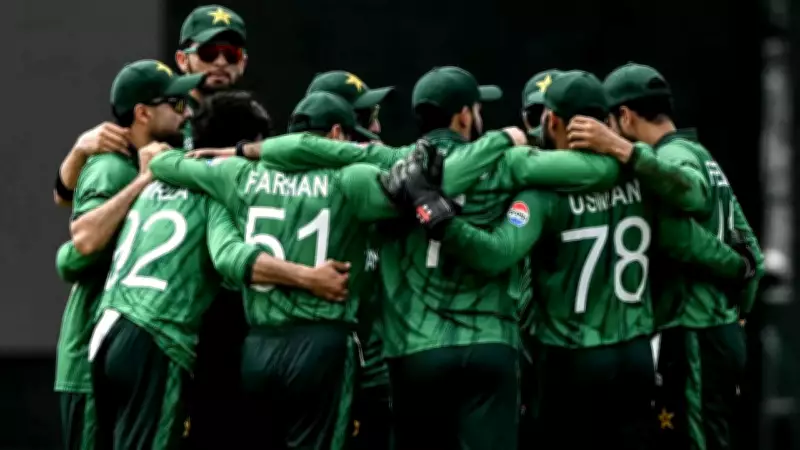
Forecasts indicate possible rain threats in Colombo on Saturday, presenting another challenge for Salman Agha's squad. The last thing Pakistan needs is a curtailed or abandoned match that could derail their World Cup aspirations. Captain Salman Agha addressed these concerns ahead of Friday's practice session, stating, "Weather is not in our control, so we do not talk about it. We only think about how to win the three matches that we have."

Navigating Off-Field Controversies
Despite efforts to maintain focus on cricket, questions about recent Indo-Pak relations continue to surface. The aftermath of last September's hostile Asia Cup in the UAE still lingers, with incidents like the non-handshake between teams generating ongoing discussion. Agha expressed concern about these distractions, noting, "More than cricket we are being asked about other things, which I think is not a good thing. We are after all sportsmen and we come to talk and play cricket."
The captain emphasized the importance of maintaining sportsmanship, adding, "We don't really feel hurt, but it's not good for the game. Growing up as a kid, I have always seen people doing what is required for the game to be improved. We too are role models and if we don't do that, kids are going to pick up the wrong things."
Team Selection Challenges and Recent Form
Returning to on-field preparations, Agha highlighted Pakistan's positive recent record, noting the team hasn't lost a series in the last six months while winning most of their games. However, selection dilemmas persist regarding senior players like Babar Azam and Fakhar Zaman, who have struggled in recent T20I performances.
The captain made it clear that team composition would prioritize performance over reputation: "We have come here as a team of 15 and we will try to play the best combination. If that means that a senior player like Fakhar or Babar, who have done great things over 10 years, does not fit, then we will not play him. We will play with the best team."
Secret Weapon and Bowling Controversy
Pakistan possesses a potential game-changer in off-spinner Usman Tariq, whose unique slinger action proved particularly challenging for Australian batsmen. Questions about the legality of his bowling action have emerged, but Agha was quick to defend his teammate: "I don't understand why we are talking about his action. In my opinion, it is a fair action and has been tested twice."
As Pakistan prepares for their World Cup campaign, they face multiple challenges including:
- The consequences of their India boycott decision
- Unpredictable weather conditions in Colombo
- Ongoing off-field controversies affecting team focus
- Difficult selection decisions regarding senior players
- Scrutiny over their bowling attack
The team's ability to navigate these complex issues while maintaining peak performance on the field will determine their fate in this high-stakes tournament.