PCB Postpones T20 World Cup Participation Decision Amid ICC Controversy
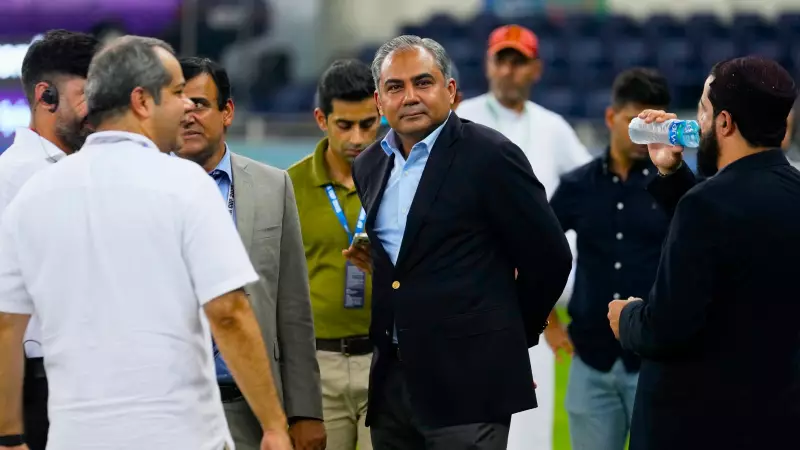
The Pakistan Cricket Board (PCB) has officially deferred its crucial decision regarding participation in the upcoming T20 World Cup. Chairman Mohsin Naqvi announced that a final verdict will be reached either on Friday or by next Monday, following extensive consultations with the Pakistani government.
High-Level Government Consultations Shape PCB's Stance
Mohsin Naqvi, who also serves as Pakistan's Interior Minister, held a significant meeting with Prime Minister Shehbaz Sharif on Monday to discuss the escalating ICC matter. Naqvi described the discussions as "productive" and revealed that the Prime Minister directed the PCB to resolve the issue while keeping all available options open. This high-level governmental involvement underscores the political dimensions now influencing cricket decisions between the two neighboring nations.
Roots of the Controversy: ICC Double Standards Alleged
The current standoff originated when the PCB supported Bangladesh's decision not to travel to India during a recent ICC board meeting. Following this, Bangladesh was removed from the T20 World Cup and replaced by Scotland. Pakistan has since accused the International Cricket Council of applying double standards, particularly citing India's permission to play the Champions Trophy at a neutral venue as evidence of inconsistent treatment.

Although Pakistan has already announced their squad for the tournament scheduled to begin on February 7, speculation about their actual participation has intensified dramatically. The PCB has not officially indicated a potential withdrawal, but multiple reports from Pakistan suggest various options remain under serious consideration.
India-Pakistan Clash: The Commercial Heart of the Tournament
The most significant potential consequence involves Pakistan's group-stage match against India scheduled for February 15 in Colombo. As part of Group A alongside India, Namibia, the USA, and the Netherlands, Pakistan would automatically forfeit two crucial points if they boycott this high-profile encounter. More importantly, they could face severe ICC sanctions, given that an India-Pakistan clash represents the tournament's most commercially valuable fixture.
The match is set to be played in Colombo under a longstanding arrangement between the two cricket boards, ensuring that ICC tournament fixtures involving both teams are held at neutral venues. However, additional uncertainty surrounds what would occur if the two teams were to meet again during the knockout stages of the competition.
Former Cricketer Advocates Symbolic Protest Over Boycott
Amid the growing tension, former Pakistan cricketer Basit Ali has publicly urged the PCB to avoid outright boycott of the India match. Instead, he suggested that Pakistan players should wear black armbands during the game as a symbolic protest. Basit emphasized that cricket has transformed from a "gentleman's game" into a deeply political arena, questioning the timing of any potential boycott.
Basit proposed an alternative approach: "Why wait for the February 15 India vs Pakistan game at the T20 World Cup? If you have to boycott, do it on February 1 during the Pakistan vs India U-19 World Cup match."
Referring to Australia's historical forfeit against Sri Lanka in a past World Cup, Basit acknowledged that Pakistan could legally forfeit a match but warned of severe consequences, particularly for broadcasters and the sport's commercial interests. He stressed that such actions would damage cricket globally and noted that even removing Pakistan from the tournament would significantly reduce its competitiveness and viewer appeal.
Potential ICC Sanctions Loom Large
ICC sources have indicated that if Pakistan decides to boycott the T20 World Cup or withdraw from the tournament entirely, the governing body could impose substantial sanctions. These potential penalties might include:

- Suspension of bilateral cricket series involving Pakistan
- Denial of No Objection Certificates (NOCs) for foreign players participating in the Pakistan Super League
- Exclusion from future Asia Cup tournaments
The situation remains fluid as the PCB weighs its options against the backdrop of diplomatic tensions, commercial considerations, and the broader interests of international cricket. The coming days will determine whether cricket's most intense rivalry takes the field or becomes another casualty of geopolitical complexities.