Rachin Ravindra's Remarkable Transformation: From IPL Batting Flop to T20 World Cup Bowling Sensation
Do you recall the struggles of New Zealand all-rounder Rachin Ravindra during the IPL 2024 season? Spin bowling completely dismantled his batting technique, leading to such severe performance issues that the Chennai Super Kings (CSK) were compelled to drop him midway through the tournament. However, as the old adage goes, time is the ultimate healer. For Ravindra, this period of reflection and growth has yielded extraordinary results, with the tables now turned dramatically.
Spin Becomes His Weapon: Ravindra Dominates with the Ball
Once tormented by spin, Rachin Ravindra has now become the tormentor. During this T20 World Cup, his left-arm finger spin has inflicted significant pain on opposing batters, with his crafty deliveries doing all the talking. Emerging as New Zealand's leading wicket-taker with 11 dismissals in this edition, Ravindra is viewing the game from an entirely new perspective. While his batting prowess initially captured attention, his bowling performances have stolen the spotlight.
With just two more wickets in the final against India, Ravindra would become New Zealand's joint highest wicket-taker in a single T20 World Cup tournament. A single dismissal would see him surpass legendary spinner Daniel Vettori as the Black Caps' most successful spinner in a T20 World Cup campaign. Expanding the view slightly, the 26-year-old has claimed 11 wickets across 8 matches while maintaining an impressive economy rate of 6.88, trailing only tournament leaders Varun Chakaravarthy and Adil Rashid by a mere two wickets.

Coaches Reveal the Behind-the-Scenes Preparation
Sriram Krishnamurthy, global head coach of the CSK academy who has worked extensively with Ravindra, expressed no surprise at the all-rounder's bowling heroics. "Rachin possesses exceptional game-reading abilities," Krishnamurthy revealed in an exclusive interview. "He doesn't bowl extensively during practice sessions, yet when he takes the ball in match situations, you know he's capable of something special. His performances in tournaments like the MLC and The Hundred foreshadowed this success."
Krishnamurthy drew a significant comparison, stating: "I believe many would agree that his impact and role for New Zealand mirrors that of Yuvraj Singh during India's triumphant 2011 World Cup campaign." This parallel highlights Ravindra's crucial contributions to his team's success, particularly his ability to dismiss left-handed batters despite the unfavorable matchup for a left-arm spinner, as demonstrated brilliantly against South Africa's David Miller in the semi-final.
Intensive Training and Strategic Development
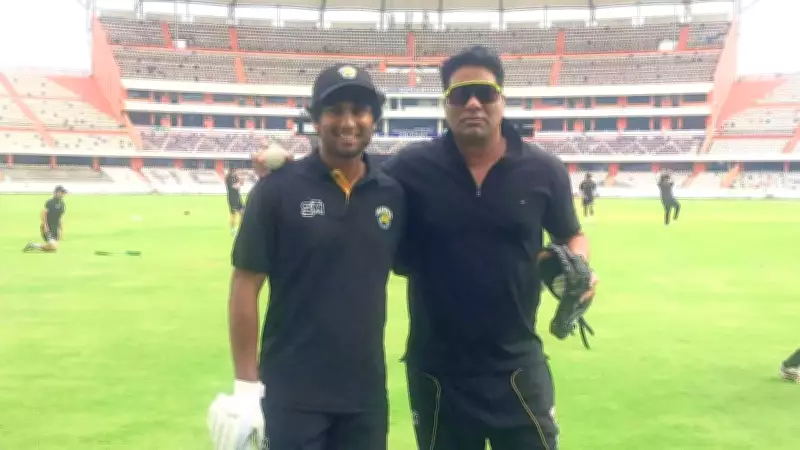
Ravindra's transformation didn't occur overnight. A critical factor behind his current success was an intensive one-month training camp in Hyderabad before the T20 World Cup, where he focused meticulously on hitting precise areas and developing variations. Under the guidance of former Andhra Pradesh captain Syed Shahabuddin, Ravindra honed his ability to bowl stump-to-stump according to field placements.
Shahabuddin shared insights about Ravindra's CSK experience: "I had encouraged the CSK management to provide him more bowling opportunities, but he typically received only one or two overs. The New Zealand think-tank, led by captain Mitchell Santner, has shown tremendous faith in his bowling abilities, which has proven to be a game-changing decision."
Former New Zealand coach Glenn Pocknall played a pivotal role in addressing earlier limitations in Ravindra's bowling. "When I first observed Rachin bowl at age fifteen, I was immediately impressed by his exceptional control and presence," Pocknall recalled. "We worked on increasing his bowling speed and developing strength for longer spells. His dedication was remarkable, often training six hours daily. He's challenging to face on any surface because he spins the ball sharply into the wicket."

Tactical Acumen and Future Prospects
AC Prathiban, personal coach of Indian spinner Varun Chakaravarthy, praised Ravindra's tactical intelligence, noting his ability to deny batters room while cleverly utilizing angles to exploit larger boundary dimensions. Prathiban did contextualize the conditions, suggesting that playing numerous matches in Sri Lanka provided advantages with bigger boundaries, though he credited Ravindra for thorough preparation.
Ravindra himself has articulated his bowling philosophy clearly, expressing a desire to "make a batter's life as difficult as possible" during post-match interactions. As New Zealand secured their place in the final, the Indian team will undoubtedly be wary of this transformed cricketer who has evolved from an IPL liability to a T20 World Cup bowling weapon, completing one of cricket's most remarkable turnarounds in recent memory.