Rajasthan High Court Intervenes in RCA Appointment Controversy
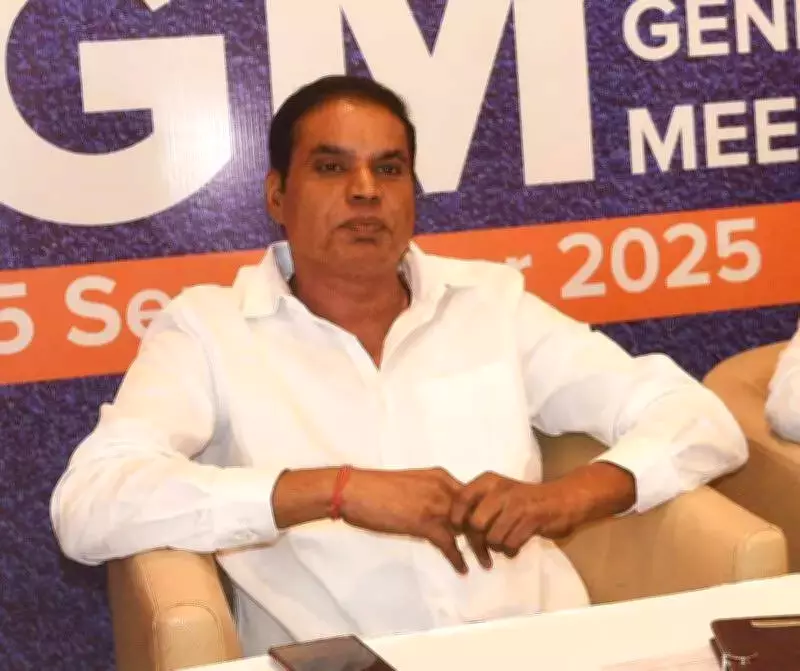
The principal bench of the Rajasthan High Court in Jodhpur has issued a significant interim order, staying the appointment of Deendayal Kumawat as the convenor of the ad-hoc committee of the Rajasthan Cricket Association (RCA). This decision, delivered on Thursday, will remain in effect until further judicial review, marking a pivotal moment in the ongoing governance issues within the state's cricket administration.
Legal Challenge Based on RCA Bylaws
During the court proceedings, counsel for the petitioner, Devi Singh, presented a compelling argument rooted in the RCA's own regulations. Singh emphasized that according to Article 26 of the RCA bylaws, any individual against whom criminal charges have been formally framed by a court is automatically disqualified from holding a position on the ad-hoc committee or the executive body. This legal provision is designed to uphold integrity and transparency within the association's leadership.
The counsel highlighted that criminal charges were officially filed against Deendayal Kumawat on September 18, 2025. Despite this, Kumawat was subsequently appointed as the convenor, an action that Singh described as a "clear and blatant violation" of the association's rules. This appointment, according to the petitioner, not only contravenes the bylaws but also raises serious concerns about the overall transparency and functional efficacy of the RCA's operations.

Court's Immediate Response and Interim Order
After carefully considering arguments from both sides, Justice Kuldeep Mathur of the Rajasthan High Court took decisive action. The court issued an interim stay on Kumawat's appointment, effectively halting his functions as convenor until a more comprehensive review can be conducted. Additionally, notices have been formally served to multiple respondents, including the state government, the cooperation department, the registrar of cooperative societies, the RCA itself, and Deendayal Kumawat. These parties have been granted an eight-week period to submit their replies, setting the stage for further legal deliberations.
In its interim order, the High Court explicitly stated that until the next judicial order, Deendayal Kumawat "shall not function as convenor of the ad-hoc committee of the Rajasthan Cricket Association." This directive underscores the court's commitment to enforcing regulatory compliance and addressing governance lapses within sports organizations.
Broader Implications for Cricket Administration
This case highlights critical issues in the administration of cricket at the state level, particularly regarding adherence to internal bylaws and the importance of ethical leadership. The petitioner's call for immediate judicial intervention reflects growing scrutiny over how sports associations manage appointments and ensure accountability. As the legal process unfolds, this ruling could set a precedent for similar disputes in other sports bodies across India, emphasizing the need for strict compliance with established rules to maintain public trust and operational integrity.