The recently concluded Ashes series between England and Australia has etched its name in the cricketing annals for a remarkable and aggressive shift in bowling dynamics. The 2023 edition will be remembered as the series where wickets tumbled at a faster rate than ever before, powered overwhelmingly by the sheer might of pace bowling over traditional spin.
The Pace Onslaught: A Statistical Domination
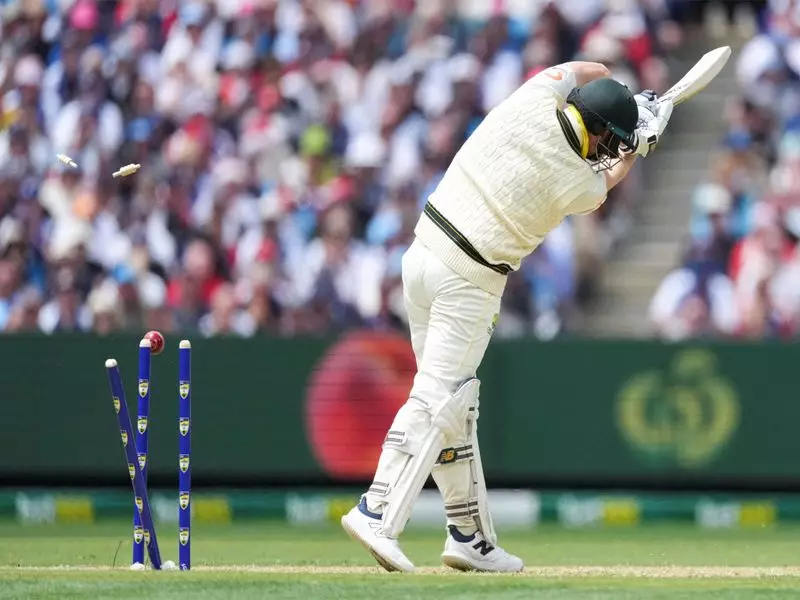
An analysis of the five-match Test series reveals a staggering trend. Fast bowlers from both sides were responsible for a colossal 153 out of the 167 wickets that fell to bowlers during the contest. This translates to an overwhelming 91.6% of all wickets being claimed by pacers, relegating spin to a mere supporting role. The average number of overs bowled before a wicket fell plummeted to a record low of 45.2 balls per wicket, highlighting the relentless pressure and attacking intent displayed by the bowling units.
This statistic becomes even more significant when viewed historically. It marks the lowest balls-per-wicket ratio in any Ashes series featuring five or more Tests, underscoring the unprecedented nature of the fast-bowling carnage. The previous record was held by the 1888 series, a distant era in cricket's evolution.

Key Architects of the Pace Revolution
The series was a showcase for some of the world's finest fast bowlers. For Australia, captain Pat Cummins led from the front, finishing as the joint-highest wicket-taker with 18 scalps. He was ably supported by the fiery Mitchell Starc and the relentless Josh Hazlewood, who formed a formidable trio that consistently breached English defenses.
England's response was spearheaded by the veteran Stuart Broad, who scripted a fairytale ending to his Test career. In his final series, Broad emerged as the joint-highest wicket-taker with 22 wickets, matching Cummins's tally. His new-ball partner, Chris WoakesMark Wood also provided game-changing spells, injecting sheer velocity into the contest.
The Marginalized Role of Spin and Series Outcome
In stark contrast to the pacers' dominance, spinners played a minimal part. They managed only 14 wickets collectively throughout the entire series. England's premier spinner, Moeen Ali, took 9 wickets, while Australia's Nathan Lyon was restricted to just 5 wickets after suffering a series-ending calf injury during the second Test at Lord's. This injury further tilted the balance decisively in favour of pace.
The relentless wicket-taking pace contributed to a tightly fought series that ultimately ended in a 2-2 draw. Australia retained the Ashes urn as the reigning holders. The matches were characterized by aggressive 'Bazball' batting from England and equally aggressive, wicket-to-wicket bowling from both sides, creating a compelling and rapid-paced spectacle for fans worldwide.
The 2023 Ashes has set a new benchmark for fast bowling in Test cricket. It demonstrated that on contemporary English and Australian pitches, with the right attacking fields and mindset, pace can be an overwhelmingly decisive force, capable of rewriting record books and redefining how the longest format of the game is played.