Supreme Court Lifts Ban on BJP Leader Anurag Thakur from BCCI Affairs
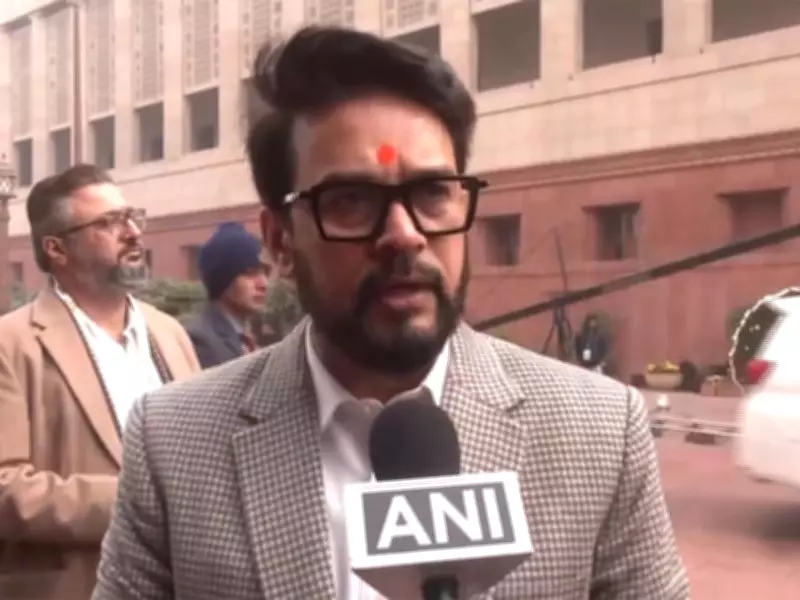
In a landmark decision, the Supreme Court of India has officially lifted the ban on Bharatiya Janata Party (BJP) leader Anurag Thakur, permitting him to actively participate in the affairs of the Board of Control for Cricket in India (BCCI). This ruling marks a pivotal moment in the ongoing evolution of cricket administration within the country, potentially reshaping the governance landscape of one of the world's most influential sports bodies.
Background of the Ban and Legal Proceedings
The ban on Anurag Thakur was initially imposed as part of a broader series of reforms mandated by the Supreme Court to enhance transparency and accountability within the BCCI. Thakur, who has served in various capacities including as a former BCCI president and a key figure in Indian cricket politics, was barred from involvement due to non-compliance with these reform measures. The legal proceedings stemmed from recommendations by the Justice Lodha Committee, which aimed to overhaul the BCCI's structure to prevent conflicts of interest and ensure better management practices.
Over the years, this case has been closely watched by sports enthusiasts, legal experts, and political observers alike, as it intersects the realms of sports governance and political influence. The Supreme Court's latest decision comes after thorough deliberations, considering arguments from both sides regarding Thakur's role and the broader implications for cricket administration.

Implications for BCCI and Indian Cricket
The lifting of the ban is expected to have significant ramifications for the BCCI and Indian cricket as a whole. With Anurag Thakur now able to re-engage in BCCI affairs, there may be shifts in decision-making processes, policy implementations, and strategic directions. Thakur's experience and political clout could influence key areas such as:
- Financial Management: Oversight of budgets, sponsorships, and revenue generation for cricket events.
- Infrastructure Development: Initiatives to upgrade stadiums and training facilities across India.
- International Relations: Negotiations with other cricket boards and global sports organizations.
- Grassroots Programs: Efforts to promote cricket at the youth and domestic levels.
This development also raises questions about the future of the Lodha Committee reforms and whether other barred individuals might seek similar relief. It underscores the delicate balance between judicial oversight and administrative autonomy in sports bodies.
Reactions and Future Outlook
Initial reactions to the Supreme Court's decision have been mixed, with some stakeholders welcoming Thakur's return as a boost for experienced leadership, while others express concerns about potential setbacks to transparency efforts. The BCCI has yet to issue an official statement, but insiders suggest that Thakur's reintegration could lead to more dynamic governance, albeit with heightened scrutiny from regulatory bodies.
Looking ahead, the focus will likely be on how Thakur navigates his renewed role within the BCCI, adhering to any remaining reform guidelines while contributing to the board's objectives. This case may set a precedent for similar disputes in sports administration, emphasizing the need for continuous evaluation of governance standards.
In summary, the Supreme Court's move to lift the ban on Anurag Thakur not only resolves a long-standing legal issue but also opens a new chapter in the management of Indian cricket, with potential impacts on both domestic and international fronts.