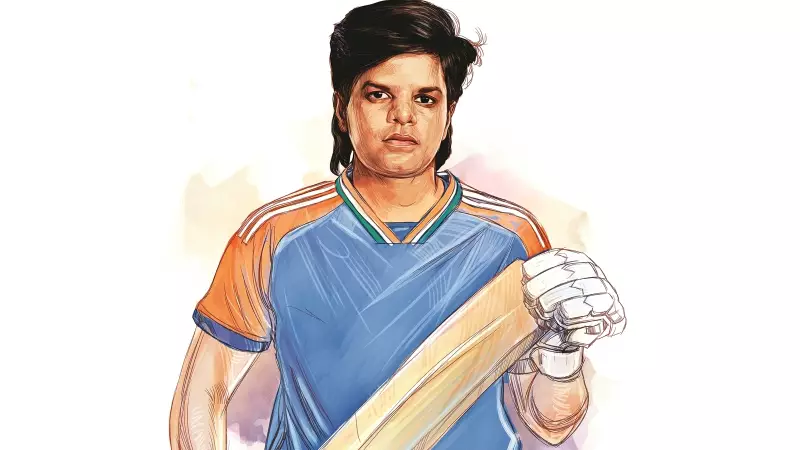
In a story that encapsulates resilience and destiny, Indian cricketer Shafali Verma scripted a fairytale comeback to lead her nation to a historic ICC Women's World Cup victory. Originally not part of the playing squad, Verma's entry was paved by an injury to teammate Pratika Rawal. Seizing the opportunity on the grandest stage, she delivered a Player of the Match performance in the final, held on January 5, 2026, etching her name in cricketing lore.
The Unlikely Path to Glory
Reflecting on the whirlwind month since becoming world champions, Verma described the feeling as unforgettable for the entire team. The victory, however, transcended the team; it was a landmark moment for women's cricket in India. She expressed keen anticipation for the systemic changes this win could catalyze, hoping to see women's cricket academies open in every state, fostering a new generation of female stars.
Verma highlighted a common thread in the journeys of her teammates: most began their cricket careers playing with boys, inspired by brothers and fathers, due to a lack of dedicated infrastructure for girls. "We all grew up watching men's cricket," she noted. "But when girls start playing now, women cricketers will be their idols. I am very thrilled to see that."

Grit, Gully Cricket, and a Guiding Father
The champion batter's own beginnings were humble and arduous. She trained in unconventional spaces—under flyovers, outside parks, next to walls. These constraints shaped her technique. Playing gully cricket amidst houses taught her to hit straight sixes to avoid breaking windows and triggering disputes. Her father was her constant companion and coach during these sessions, a pillar of support through immense challenges.
The year leading to the World Cup was particularly tough. Being dropped from the national squad while her father recovered from a heart attack pushed her to the brink. "My mental health had taken a beating and I was at the cusp of leaving cricket," Verma revealed. It was her brother who convinced her to persevere. The setback became a turning point, fueling a year of intense focus on playing grounded shots, building fitness, and mental fortitude.
A Semifinal Spark and a Final Flourish
Verma pointed to Jemimah Rodrigues's stellar innings in the semifinal against Australia as the team's defining moment. "It was a goosebumps moment for all... That moment gave us the biggest confidence boost," she said. It instilled the belief that the team could overcome any hurdle.
In the final, her preparation paid off. She showcased a matured mindset, valuing singles and crease occupation as much as her trademark power-hitting. In a crucial twist, captain Harmanpreet Kaur handed her the ball. Having practiced bowling during domestic tournaments, Verma delivered, taking two key wickets including that of South Africa's Marizanne Kapp, which she described as a moment of pure happiness.
Legacy and Looking Ahead
Now a role model herself, Verma is already mentoring young talents like Deeya Yadav from Haryana, advising them on their game. She finds it profoundly moving that young girls now have women cricketers as idols, a shift from her generation's experience.
She paid rich tribute to the legends who paved the way—Mithali Raj, Jhulan Goswami, Anjum Chopra—acknowledging that the current team's success was built on their efforts. The celebratory night of the World Cup win was shared with these icons, a gesture of gratitude for keeping women's cricket alive.
Verma also credited her opening partners, Smriti Mandhana and Meg Lanning, for their influence. Mandhana's on-field reassurance and Lanning's positive mindset, shared even as an Australian rival, were instrumental in evolving her own approach to the game.
Shafali Verma's journey from the dusty grounds of Rohtak to World Cup glory is more than a personal triumph. It is a beacon for countless girls in India, especially in states like Haryana, signaling that with passion and perseverance, their cricketing dreams are valid and achievable. Her story promises to inspire a new, gender-equal era for the sport in the country.