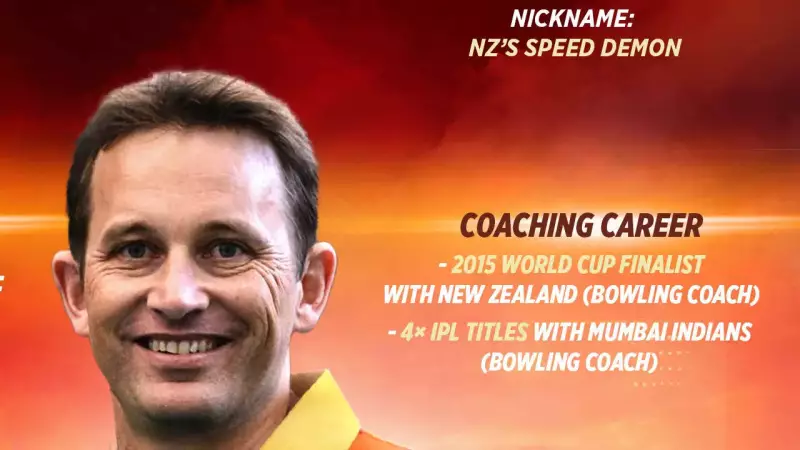
In an exclusive conversation with TimesofIndia.com in Dubai, former New Zealand speedster and Gulf Giants bowling coach Shane Bond opened up on a range of topics, from the burgeoning International League T20 (ILT20) to the perennial challenge of managing fast bowlers' workloads in a crowded cricket calendar.
The ILT20's Unique Appeal and Coaching Challenges
Reflecting on his second season with the league, Bond highlighted the ILT20's distinctive structure. The league's blend of global stars and local UAE talent is what makes it special for him. He emphasized the responsibility of the wider cricket community to develop the game in emerging nations, noting that the ILT20 is providing a crucial platform for UAE players to showcase their skills alongside international cricketers.
For Bond, coaching in such a diverse environment presents a stimulating challenge. Dealing with varied languages and cultures forces him to rethink his coaching methodology to unite the group effectively. "It's invigorating," he stated, acknowledging that it pushes him to evolve as a coach.

Managing Young Speedsters: A Blueprint for Longevity
Drawing from his own injury-ravaged career, Bond offered crucial advice for young tearaway quicks like India's Mayank Yadav and Umran Malik, who frequently battle fitness issues. He pointed out that between ages 18 and 24, a bowler's body is still developing, making them particularly vulnerable. The tendency to overplay exciting, fast talents often leads to breakdowns.
Bond stressed that intelligent management is non-negotiable. This involves being prepared to rest a player for conditioning, rather than playing them in every match. He cited the example of Australia's Pat Cummins, who missed five years but was eased back through one-day cricket, leading to a spectacular, sustained career.
"There's a tendency to rush those players back, and as soon as you rush someone back and the intensity goes up, the risk of injury goes up," Bond cautioned. He advocated for allowing returning players to build durability through club or second-level cricket before throwing them back into top-flight action.
T20 Leagues, Format Juggling, and the Value of First-Class Cricket
When asked if the proliferation of T20 leagues has complicated fast bowlers' careers, Bond presented a nuanced view. He acknowledged the lucrative opportunities but noted the challenge is greater for players from smaller nations like New Zealand. With central contracts offering less financial security, players like Lockie Ferguson and Adam Milne face tough choices between national duty and franchise commitments.
"If you're given the opportunity to make ten times as much money to bowl a quarter of the overs, it's hard not to take that up," Bond remarked, understanding the economic reality and injury risks associated with longer formats.
On developing young bowlers, Bond remains a firm believer in the grounding provided by first-class cricket. He argued that bowling long spells helps groove a consistent technique and teaches control—the ability to "hit the top of off stump consistently all day." This fundamental skill, he noted, translates across all formats, with variations built upon that solid base. He referenced bowlers like Josh Hazlewood, whose Test-match discipline has made them formidable T20 operators.
For a 20-year-old quick aiming at a 12-13 year career, Bond's advice centered on collaborative planning. With players likely to represent multiple franchises, he believes a coach's primary duty is to ask, "what is in the best interest of this player?" rather than focusing solely on short-term team success. A sit-down discussion to chart a sustainable fitness and workload plan is key to ensuring the player stays on the park longer, ultimately benefiting both the athlete and the coach.