Sri Lanka Cricket Appeals to Pakistan Over T20 World Cup Boycott Against India
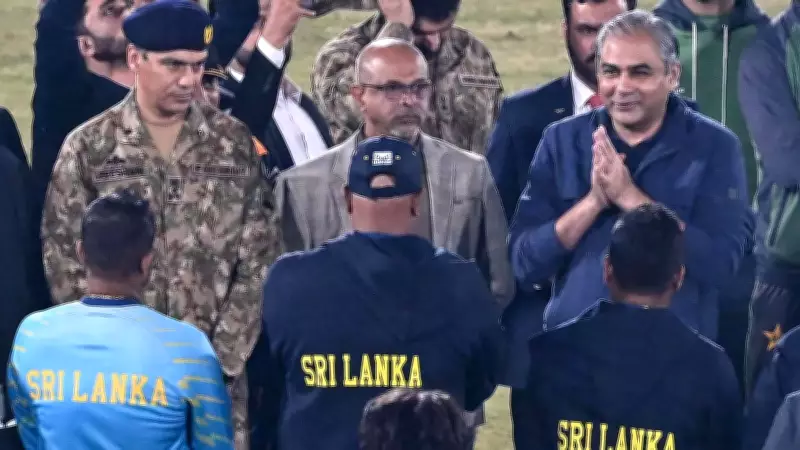
In a significant diplomatic move within international cricket, Sri Lanka Cricket (SLC) has formally written to the Pakistan Cricket Board (PCB) urging them to reconsider their planned boycott against India during the upcoming T20 World Cup 2026. The tournament is scheduled to commence this Saturday, with Pakistan positioned to play all their matches on Sri Lankan soil.
Pakistan's Government-Mandated Boycott
The boycott directive originates from the Pakistani government itself, which has instructed its national cricket team to abstain from playing against India in their scheduled match in Colombo on February 15. This political decision stems from Pakistan's solidarity with Bangladesh, who were controversially removed from the T20 World Cup 2026 after the Bangladesh Cricket Board (BCB) refused to play matches on Indian territory.
It is crucial to note that India remains the primary host nation for the T20 World Cup 2026, despite matches being distributed across multiple venues in the region. Following Bangladesh's withdrawal, Scotland has been brought in as their replacement in the tournament lineup.

Revenue Concerns Drive Sri Lanka's Appeal
The Sri Lankan cricket authorities have expressed deep concern about the financial implications of Pakistan's boycott. With Pakistan scheduled to play all their group stage matches in Sri Lanka, including the high-profile clash against traditional rivals India, SLC fears substantial revenue losses that could impact the tournament's overall success and Sri Lanka's cricket economy.
"The India-Pakistan cricket match is historically one of the most anticipated fixtures in any international tournament," noted cricket analysts. "Its absence would not only disappoint millions of fans worldwide but could significantly reduce broadcasting rights value, sponsorship deals, and stadium attendance revenue."
Broader Implications for Asian Cricket
This development highlights the complex intersection of politics and sports in South Asian cricket. The boycott decision reflects ongoing geopolitical tensions in the region, while Sri Lanka's intervention demonstrates the economic interdependence of cricket boards in the subcontinent.
The situation presents multiple challenges:
- Potential financial losses for Sri Lanka as a host nation
- Disruption of tournament scheduling and logistics
- Impact on player preparations and tournament competitiveness
- Broader implications for future cricket diplomacy in Asia
As the cricket world watches closely, the PCB's response to Sri Lanka's appeal will determine whether one of cricket's greatest rivalries will be absent from the T20 World Cup stage, with significant consequences for the sport's commercial landscape in the region.