T20 World Cup 2026 Eve Sets Mumbai Abuzz with Cricket Nostalgia and Global Flair
The eve of the T20 World Cup 2026 opener in Mumbai transformed the iconic Wankhede Stadium into a vibrant tapestry of cricket nostalgia, international intrigue, and ground-level preparations. While India prepared to face the USA in their first match, the atmosphere buzzed with stories of homecoming players, experimental bowling, and the stark realities of associate nation cricket.
USA Players Return to Mumbai Roots
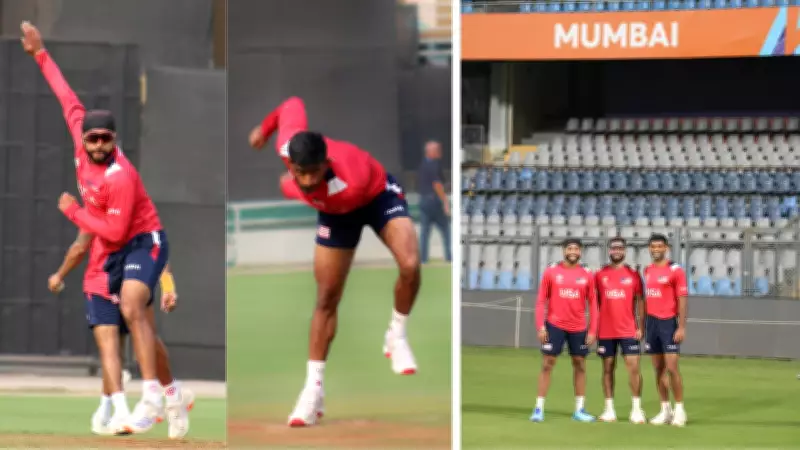
For USA cricketers Saurabh Netravalkar, Harmeet Singh, and Shubham Ranjane, this World Cup represents a profound homecoming. All three developed their skills playing domestic cricket in Mumbai during their formative years, with Netravalkar having shared Ranji Trophy dressing rooms with current Indian star Suryakumar Yadav.
"It feels special to be back," Netravalkar acknowledged during media interactions, though he downplayed any home-ground advantage. "Not really, it's been so long since I played here regularly." His former teammate Suryakumar Yadav couldn't resist a playful jab about their career paths: "They have gone now to the land of dollars," he quipped, eliciting laughter from assembled journalists.

The Blonde and the Moon Ball: England's Preparations
As England arrived for their evening practice session, all eyes turned to Will Jacks' dramatic hair transformation. The batsman had gone "full blonde," though he remained coy about his reasons, smiling while saying, "I just did it for some reasons now."
Meanwhile, Sam Curran's mysterious "moon ball" became a topic of intense speculation. This ridiculously slow delivery—where he cuts pace from the high 80s mph down to approximately 35-40 kmph—has become his signature weapon. "It's so, so slow, and it can dip on you," Jacks explained, though he admitted he hadn't faced it in nets practice.
Indian batsman Suryakumar Yadav offered a more general interpretation when asked about countering such variations: "It comes down to batsmen practicing in the nets against different types of slower balls."
Washington Sundar's Philosophy and Ground Reality
Earlier in the day, Indian all-rounder Washington Sundar's unique perspective on T20 cricket echoed through the stadium. "The ball is always in the air," he had remarked in a pre-tournament video. "When the bowler releases, it's in the air. After it's hit by the bat, most of the time it's in the air. So, the ball is always in the air, and that's what excites the audience the most I think."
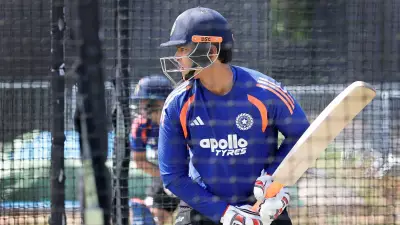
This philosophy came alive during India's practice session, where power-hitters like Abhishek Sharma sent balls repeatedly into the stands, leaving a group of UNICEF children watching from the nets with jaws dropped and necks craned. Yet beyond these moments of cricketing spectacle, the stadium hummed with mundane preparations—workers in acid-wash jeans hammered temporary shops into place, broadcasting teams wheeled in equipment, and groundsmen sipped chai after completing their pitch preparations.
USA's Unique Team Dynamics and Reality Check
The USA squad's composition—featuring players of Indian, Pakistani, and various other origins—presented interesting questions about team dynamics in the current geopolitical climate. Netravalkar addressed this diplomatically: "Yes, we have players from all parts of the world. We gel and bond together because of our love for the game. And no, I don't think we have ever discussed India-Pakistan issues amongst ourselves."
Perhaps the most revealing moment came when Netravalkar discussed the practical realities of being an associate nation cricketer. When asked how much leave USA players had taken from their day jobs, he smiled before responding: "As of now, it's up to the league stage. We shall see later." This stark contrast between cricket's glamour and its grassroots reality highlighted the tournament's diverse narratives.
Mumbai's Transformation into World Cup Venue
Throughout the day, Wankhede Stadium underwent its final transformation into a World Cup venue. Temporary shops sprang up around the periphery, broadcasting units established their positions, and workers moved through laneways connecting operational areas to the stands, occasionally pausing to catch glimpses of practicing players.

As evening settled and England began their practice, the groundsmen—their work complete for the opening match—gathered in a circle on the net pitches vacated by the Indians, chatting as the Mumbai heat subsided. The stage was set for a tournament where, as Sundar observed, the ball would indeed always be in the air—both literally and metaphorically—carrying with it stories of homecomings, blonde transformations, mysterious deliveries, and the balancing act between professional careers and international cricket dreams.