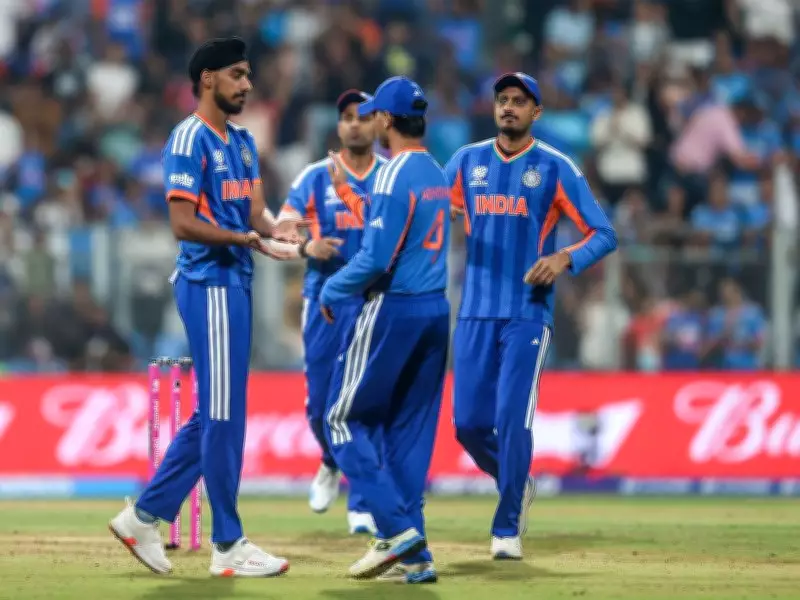
T20 World Cup Super 8: The Intense Race for Semi-Final Berths
The T20 World Cup has entered its crucial Super 8 phase, where the competition for semi-final spots is reaching a fever pitch. With the group stage behind them, the remaining teams are now locked in a high-stakes battle, where every match outcome, net run rate, and head-to-head result could be the difference between advancing or elimination. The equation for qualification is complex, involving multiple variables that keep fans and analysts on the edge of their seats.
Understanding the Super 8 Format and Its Implications
The Super 8 stage divides the eight qualified teams into two groups of four each. Each team plays three matches against the others in their group. The top two teams from each group will progress to the semi-finals, making every game a virtual knockout. This format intensifies the pressure, as a single loss can severely dent a team's chances, while a win can propel them toward the coveted top spots.
Key factors in the qualification equation include:

- Wins and Points: Teams earn two points for a win, one for a no-result, and zero for a loss. Accumulating points is paramount, with most teams needing at least two wins to have a realistic shot at the semi-finals.
- Net Run Rate (NRR): In cases where teams are tied on points, NRR becomes the decisive tiebreaker. A high NRR, achieved by scoring quickly and restricting opponents, can be a lifesaver in tight situations.
- Head-to-Head Records: If two teams are level on points and NRR, their head-to-head result in the Super 8 stage is used to determine who advances, adding another layer of strategy to each encounter.
Current Contenders and Their Scenarios
As the Super 8 matches unfold, several teams are in the thick of the race. Traditional powerhouses and emerging cricketing nations alike are vying for those four semi-final slots. The dynamics shift with each game, as victories boost confidence and net run rates, while defeats force teams to rely on other results going their way.
For instance, a team that starts with a win might aim to consolidate with another victory to secure qualification early. Conversely, a team that loses its first match faces a must-win scenario in the remaining games, often needing to win by large margins to improve its NRR. This creates thrilling contests where teams are not just playing for wins but also managing run rates meticulously.
The Role of Strategy and Momentum
In such a tightly contested stage, strategy becomes as important as skill. Captains and coaches must make tactical decisions—such as batting orders, bowling changes, and field placements—that optimize their chances of winning while also considering NRR implications. Momentum plays a crucial role too; a team on a winning streak can carry that confidence into critical matches, whereas a loss can lead to pressure and uncertainty.
Moreover, external factors like pitch conditions, weather, and player form add to the unpredictability. Teams must adapt quickly to these variables to stay in the hunt. The Super 8 stage is a test of resilience, where only the most consistent and composed sides will emerge victorious.
Looking Ahead to the Semi-Finals
As the Super 8 progresses, the semi-final picture will gradually become clearer. Fans can expect nail-biting finishes, dramatic turnarounds, and perhaps some surprises as teams fight for every run and wicket. The qualification equation ensures that no team can afford to relax until the final ball is bowled in their group matches.
In conclusion, the T20 World Cup Super 8 is a thrilling chapter in the tournament, where the race for semi-final spots is defined by intense competition, strategic nuances, and the relentless pursuit of excellence. With so much at stake, cricket enthusiasts worldwide are in for a spectacle that showcases the best of the sport.