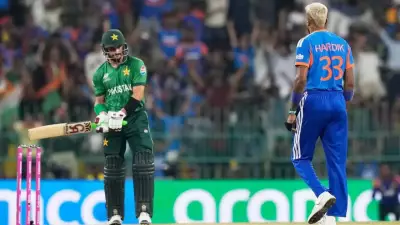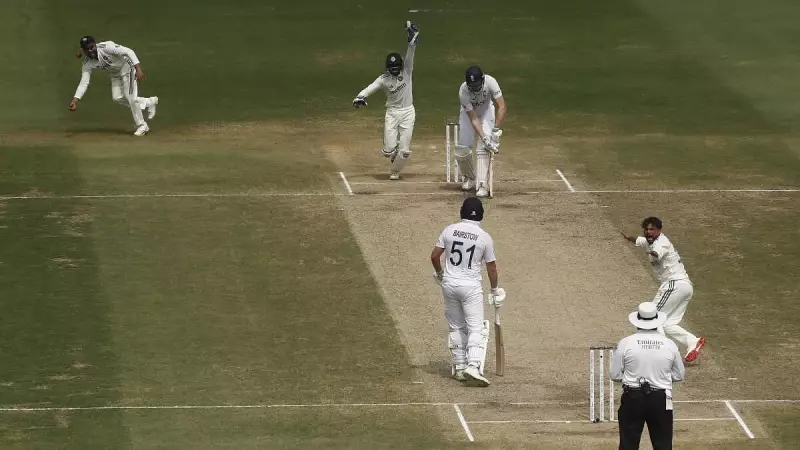
For generations, the number three batting position in Test cricket was not just a slot in the order; it was a throne. Occupied by the game's most resilient and technically sound monarchs, it was the bedrock upon which innings were built. Today, that throne often seems vacant, with a genuine crisis of specialists befalling one of the sport's most critical roles.
A Legacy of Legends in the Hot Seat
The history of the position reads like a roll call of cricketing royalty. The lineage stretches from the peerless Don Bradman, through the combative Ian Chappell, and into the modern era with pillars like Rahul Dravid ("The Wall"), the aggressive Ricky Ponting, the elegant Kumar Sangakkara, Pakistan's rock Younis Khan, and South Africa's graceful Hashim Amla. These were not just talented batters; they were specialists forged in the fires of the new ball, possessing the technique and temperament to walk in early, stabilise a collapse, or dominate from the outset.
The Modern Void: What Changed?
So, what led to the decline of the dedicated No. 3 batsman? The shift is multifaceted, driven by the evolving landscape of professional cricket.

The T20 Effect: The proliferation of short-format cricket has fundamentally altered batting techniques and career priorities. The patient, attritional style required to blunt a moving red ball is often at odds with the high-risk, high-reward approach rewarded in T20 leagues globally. Young batters are now honed for power and innovation from ball one, skills less transferable to the unique demands of the No. 3 role in Tests.
Fixture Congestion and Role Confusion: The modern cricketer is a multi-format athlete. A player might be opening in T20s, batting in the middle order in ODIs, and then be asked to slot in at first drop in Tests. This constant switching hampers the ability to specialise and master the specific mental and technical challenges of coming in at No. 3, especially after an early wicket falls.
Team Strategy & The "Flexible" Batting Order: Many modern teams favour flexibility over fixed roles. The concept of a locked-in, specialist No. 3 has given way to a more fluid approach where the order might be shuffled based on conditions, match situations, or the form of the day. This prevents batters from settling into the role and building the unique expertise it demands.
The Consequences for Test Cricket
The erosion of this specialist role has tangible consequences for the longest format. The No. 3 batter traditionally provided stability, a crucial buffer between the openers and the middle order. Their absence often leads to fragile top orders, making teams vulnerable to high-quality seam bowling and leading to dramatic batting collapses that shorten matches and undermine the strategic depth of Test cricket.
While exceptional talents like Australia's Marnus Labuschagne or New Zealand's Kane Williamson (who often bats at 3) still embody the classical virtues, they are becoming rare exceptions. The trend, as highlighted in recent discussions, points towards a future where the specialist No. 3 is an endangered species, replaced by adaptable all-format players who may not possess the same deep mastery for the role's specific rigours.
The last update on this pressing issue came as recently as 11 January 2026, indicating it remains a live and urgent topic for cricket analysts and fans. The question now is whether Test cricket can find a way to nurture and value this pivotal specialist again, or if the era of the dedicated No. 3 batter has truly passed into history.