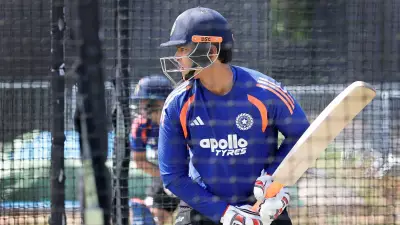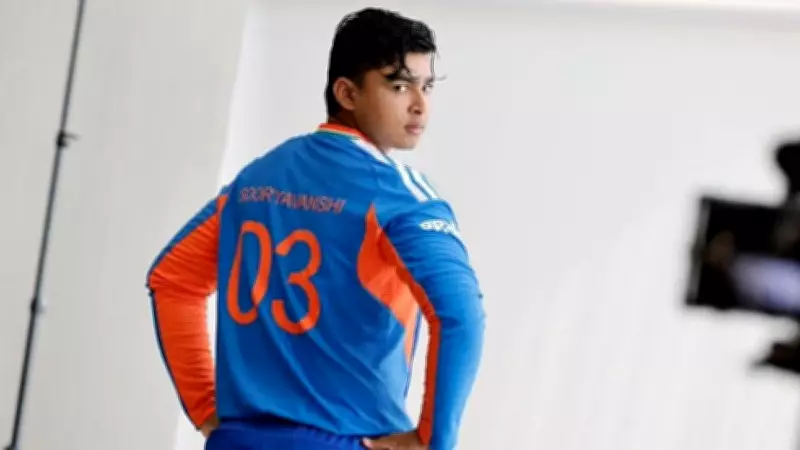
Young prodigy Vaibhav Sooryavanshi was included in the Indian national cricket team for the T20I series against Ireland but did not feature in the playing XI across the first two matches. This has sparked debate over whether the team management missed an opportunity to address India's batting concerns.
Selection without opportunity
Sooryavanshi, who has been touted as a future star, was brought into the squad as a specialist batter. However, in both matches, the team opted for experienced players in the middle order, leaving the 19-year-old on the bench. According to team sources, his inclusion was meant to provide an option in case of injury or poor form, but no changes were made despite India's batting struggles in the first T20I, where they managed only 147 runs.
Batting woes persist
India's batting lineup has faced criticism for inconsistent performances in recent T20Is. In the first match against Ireland, the top order collapsed, with only one batter crossing 30 runs. Despite this, the management chose not to blood the young talent. Former cricketer Aakash Chopra commented, "If you pick a player like Sooryavanshi, you must have a plan to give him game time, especially when the batting is not clicking."

Team management's rationale
Head coach Rahul Dravid defended the decision, stating, "Vaibhav is a special talent, and we are looking at the long term. We didn't want to thrust him into a pressure situation without proper preparation." However, critics argue that T20Is against a relatively weaker side like Ireland provide the perfect platform for young players to gain experience.
Impact on Sooryavanshi's development
Being benched despite being in the squad can affect a young player's morale. Sports psychologist Dr. Rohan Mehta noted, "Constant selection without playing time can lead to frustration. It's crucial for young athletes to get match exposure to build confidence." Sooryavanshi, who has impressed in domestic cricket with an average of 52 in T20s, now awaits a chance in the remaining matches of the series.