FIFA Chief's Remarks on Russia Ban Ignite Diplomatic Firestorm
The global football community is embroiled in a fresh controversy as FIFA President Gianni Infantino's recent comments regarding the potential lifting of Russia's ban from international competitions have drawn sharply contrasting reactions from Kyiv and Moscow. This development comes at a time when the geopolitical landscape remains fraught with tension following Russia's military actions in Ukraine, which led to the initial suspension of Russian teams from FIFA and UEFA events in 2022.
Infantino's Controversial Stance Sparks Immediate Backlash
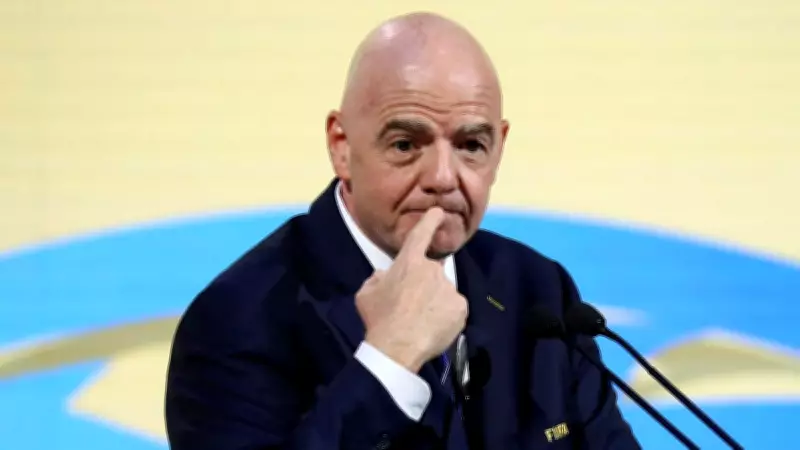
In a statement that has sent shockwaves through the sports world, Gianni Infantino hinted at the possibility of reconsidering Russia's exclusion from football tournaments. He emphasized the importance of keeping sports separate from politics, arguing that football should serve as a bridge for dialogue and unity. However, this perspective has been met with fierce criticism from Ukrainian officials, who view any move to reinstate Russia as a betrayal of international solidarity and a disregard for the ongoing conflict.
The Ukrainian Football Association swiftly condemned Infantino's remarks, labeling them as "unacceptable and morally indefensible" given the current circumstances. Sources in Kyiv expressed deep frustration, asserting that such statements undermine efforts to hold Russia accountable through sports sanctions. They warned that lifting the ban could normalize aggression and send a dangerous message to the global community.

Kremlin Welcomes FIFA President's Comments with Open Arms
In stark contrast, the Kremlin has responded positively to Infantino's suggestions, hailing them as a "step in the right direction" towards normalizing Russia's participation in international sports. Russian officials have long argued that the ban is politically motivated and unfairly punishes athletes who have no role in geopolitical decisions. They see Infantino's comments as a potential opening for dialogue and a chance to reintegrate Russian football into the global arena.
This reaction from Moscow highlights the ongoing divide between Russia and much of the Western world, where sanctions and bans have been used as tools to pressure the Kremlin. The Russian sports ministry released a statement expressing hope that FIFA will soon take concrete actions to reverse the suspension, emphasizing the importance of fair play and inclusivity in sports.
Global Football Bodies Face Mounting Pressure
The controversy has placed FIFA and UEFA under intense scrutiny, as they navigate the delicate balance between sports governance and geopolitical realities. Key stakeholders, including other national football associations and human rights groups, are closely monitoring the situation. Many European countries have reiterated their support for maintaining the ban until there is a significant de-escalation of hostilities in Ukraine.
Experts point out that Infantino's comments could signal a shift in FIFA's approach, potentially leading to heated debates at upcoming meetings. The organization must weigh the principles of sports diplomacy against the ethical implications of readmitting a country involved in an active conflict. This dilemma underscores the broader challenges faced by international sports bodies in times of crisis.
What Lies Ahead for Russian Football?
As the debate rages on, the future of Russian football hangs in the balance. Potential scenarios include:
- A gradual reinstatement with conditions tied to geopolitical developments.
- Continued isolation if Western nations maintain their stance against Russia.
- Increased lobbying from Russian allies to influence FIFA's decision-making process.
The outcome will likely depend on broader diplomatic efforts and the evolution of the Ukraine conflict. For now, Infantino's remarks have reignited discussions about the role of sports in international relations, with Kyiv and Kremlin standing on opposite sides of a deeply contentious issue.