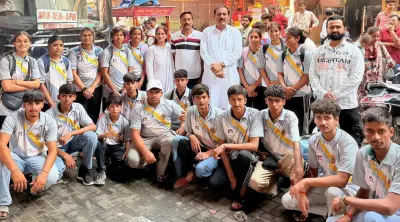
The future opponents for India's Under-20 women's football team in the upcoming AFC U20 Women's Asian Cup have been officially determined through the final draw ceremony. The Indian squad now knows exactly which teams they will face in the group stage of this prestigious tournament.
The Draw Ceremony and Tournament Details
The highly anticipated draw ceremony took place recently, setting the stage for what promises to be an exciting competition. The AFC U20 Women's Asian Cup 2024 is scheduled to be hosted in Tashkent, Uzbekistan, bringing together the best young female football talent from across the continent. This tournament represents a crucial development opportunity for emerging football nations like India.
India secured their place in this elite competition through an impressive qualifying campaign that demonstrated the growing strength of women's football in the country. The qualification process saw the Indian team deliver strong performances that earned them the right to compete against Asia's top footballing nations at the youth level.

India's Group Stage Challenges
While the specific group opponents weren't detailed in the source material, the draw has placed India in a position where they will face formidable competition from established football powers. The tournament format typically features multiple groups of teams that compete in round-robin matches, with the top teams advancing to knockout stages.
The Indian team will need to prepare strategically for their group stage matches, analyzing their opponents' playing styles and strengths. This level of competition provides invaluable experience for young Indian players who aspire to compete at international levels in their senior careers.
Significance for Indian Women's Football
Participation in the AFC U20 Women's Asian Cup represents a significant milestone for Indian football development. This tournament exposure is crucial for the growth of women's football in India, providing young athletes with high-level competitive experience that can help bridge the gap between domestic and international football standards.
The All India Football Federation has been working to strengthen women's football infrastructure in recent years, and qualification for such tournaments demonstrates the progress being made. Success at youth tournaments often translates to improved performance at senior levels in future years.
As the tournament approaches, the Indian team will undergo intensive preparation camps and potentially play friendly matches to ensure they are competitive against their group stage opponents. The experience gained from facing top Asian teams will be invaluable regardless of the results, helping to build a stronger foundation for the future of Indian women's football.