Five Iranian Women Footballers Return Home After Seeking Asylum in Australia
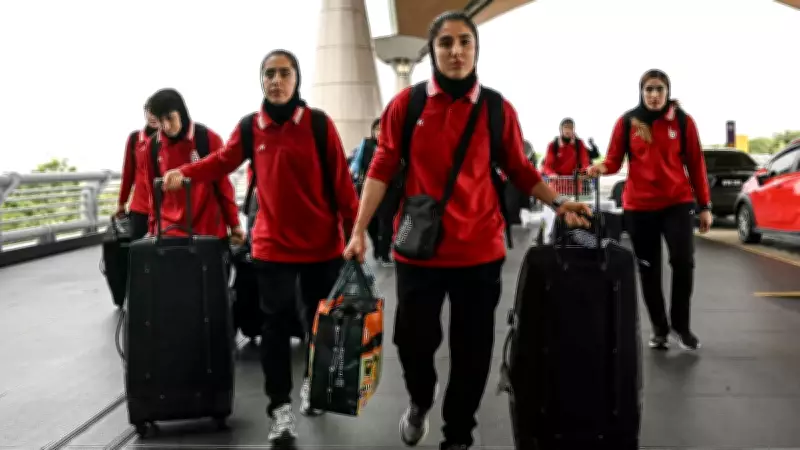
In a significant development following the AFC Asian Cup, five out of seven Iranian women footballers who had sought asylum in Australia have now returned to their home country. The players, who were part of Iran's national team, initially applied for asylum citing political and social pressures, but have since decided to go back, leaving two teammates still in Australia.
Background of the Asylum Applications
The incident unfolded after Iran's participation in the AFC Asian Cup, a major football tournament in the region. The seven players, whose identities have been partially disclosed in reports, filed for asylum in Australia, expressing concerns over restrictions and challenges faced by women in Iran, particularly in sports. This move highlighted ongoing issues related to gender equality and freedom in the country.
Reasons for the Return
While specific details on why the five players chose to return home are not fully public, it is understood that factors such as family ties, professional commitments, and potential reassurances from Iranian authorities may have influenced their decision. The return marks a shift from their initial stance, where they sought refuge abroad to escape perceived hardships.

- Seven Iranian women footballers sought asylum in Australia post-AFC Asian Cup.
- Five have now returned to Iran, while two remain in Australia.
- The players cited political and social pressures as primary reasons for their asylum bids.
- This case sheds light on the challenges faced by female athletes in Iran.
Implications for Women's Sports in Iran
The situation underscores broader issues within Iran's sports landscape, where women often navigate strict regulations and societal norms. Female athletes in the country have historically faced obstacles, including limited funding, travel restrictions, and dress codes, which can impact their careers and personal freedoms.
Observers note that this event could spark further discussions on human rights and gender equality in Iranian sports.Current Status of the Remaining Players
As of now, two Iranian women footballers continue to stay in Australia, with their asylum applications still pending. Their decision to remain abroad suggests ongoing concerns or different personal circumstances compared to their teammates who returned. The outcome of their cases will be closely watched by international sports and human rights communities.
This development comes amid increasing global attention on the plight of women in Iran, particularly following recent protests and advocacy efforts. The footballers' actions highlight how sports can intersect with political and social issues, bringing international scrutiny to domestic policies.