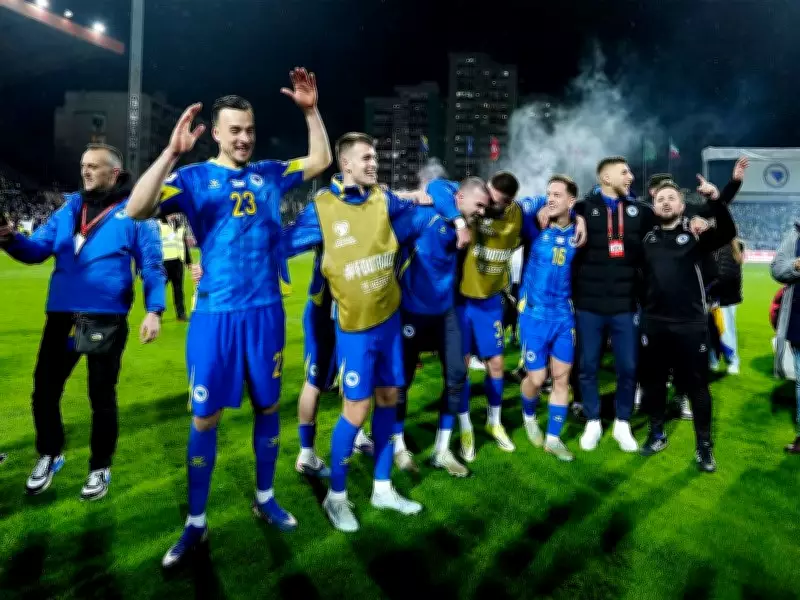
Italy's World Cup Dreams Shattered by Bosnia in Penalty Drama
In a stunning turn of events that has sent shockwaves through the football world, Italy has been eliminated from contention for the FIFA World Cup for the third time in a row. The four-time world champions fell to Bosnia and Herzegovina in a tense playoff match that was ultimately decided by a dramatic penalty shootout.
A Historic Low for Italian Football
This marks an unprecedented period of struggle for the Italian national team, which has historically been one of football's most successful and storied programs. The failure to secure a spot in the upcoming World Cup tournament represents a significant setback for a nation that has lifted the prestigious trophy on four separate occasions.
The match itself was a tightly contested affair, with both sides displaying defensive discipline and creating limited clear-cut chances throughout regulation and extra time. As the score remained deadlocked after 120 minutes of play, the fate of both teams was left to the cruel lottery of a penalty shootout.

Bosnia Seizes the Moment
Bosnia and Herzegovina, competing with determination and composure, held their nerve during the high-pressure shootout. Their players converted their spot-kicks with precision, while Italy faltered at the critical moment. The Bosnian victory secures their passage to the World Cup, a monumental achievement for the nation's football federation and its passionate supporters.
The aftermath of this result is likely to prompt serious introspection within Italian football. Questions will be raised about the team's tactical approach, player selection, and the overall direction of the national program. The Italian Football Federation (FIGC) now faces the difficult task of rebuilding and restoring the Azzurri to their former glory.
Implications for the Global Tournament
The absence of Italy from the World Cup for a third consecutive edition alters the landscape of the tournament significantly. One of the sport's traditional powerhouses will be missing, opening opportunities for other nations while diminishing some of the historic rivalries and narratives that often define the competition.
For Bosnia and Herzegovina, this victory is a landmark moment. It represents the culmination of years of development and provides a platform to showcase their talent on football's biggest stage. Their successful qualification against such a formidable opponent will be celebrated as a national triumph.
As the football community processes this seismic result, the focus for Italy must now shift to a comprehensive overhaul. The road to redemption begins with acknowledging the depth of this failure and implementing strategic changes to ensure future generations of Italian players can once again compete for the world's most coveted football trophy.