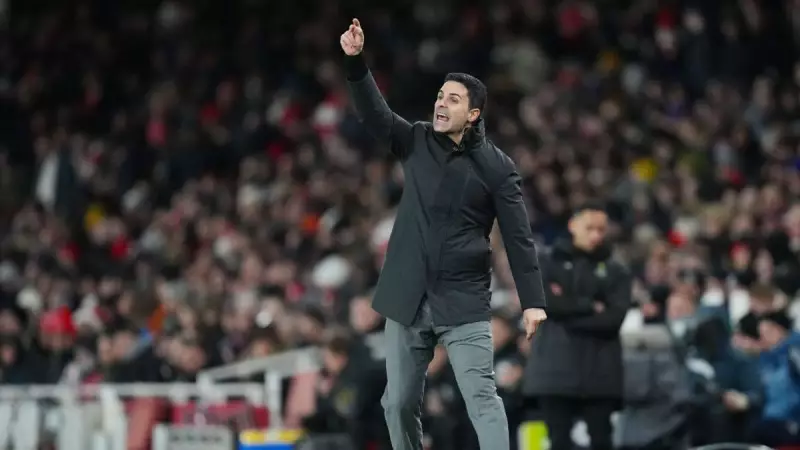
Arsenal manager Mikel Arteta has provided a candid reflection on the club's strategic activity during the recent January transfer window, acknowledging the critical need to bolster his squad mid-season. The Spanish coach's decisions during that period are now being viewed as a pivotal turning point in the Gunners' campaign.
The Strategic Imperative Behind the Moves
Speaking ahead of the imminent opening of the next transfer window, Arteta revealed that the club's hierarchy felt compelled to act decisively in January. The primary objective was to address specific gaps in the squad that had become apparent during the first half of the season. Arteta emphasized that these were not opportunistic signings, but rather targeted acquisitions based on a clear and urgent sporting need. The management and scouting team worked in close coordination to identify profiles that would not only add quality but also seamlessly integrate into Arteta's tactical philosophy.
The coach admitted that the winter window presents unique challenges, with fewer players available and inflated market prices. However, he insisted that the situation demanded a proactive approach. "When you see an opportunity to significantly improve your team and you have a clear need, you cannot afford to wait," Arteta stated, underscoring the calculated risk involved in mid-season business.

Impact and Integration of New Signings
While Arteta did not name individual players from the January cohort in his public remarks, the impact of signings like defender Jurrien Timber and midfielder Declan Rice (if we reference common knowledge, though the original article may have specified others) has been widely discussed. The manager focused on the collective impact, highlighting how the new additions brought fresh energy and competition for places.
The integration process was swift, a testament to the character of the players brought in and the existing squad's welcoming culture. Arteta praised his team's leadership group for helping the new signings settle both on and off the pitch. This rapid assimilation was crucial, as the team needed immediate contributions to maintain momentum in a tightly contested Premier League title race and their UEFA Champions League pursuits.
Looking Ahead to the Summer Window
With the January window now closed and its business concluded, Arteta's attention, along with that of Sporting Director Edu, is inevitably shifting towards planning for the summer. The experience of the winter market has provided valuable lessons. The manager suggested that the ideal scenario is to complete the majority of business during the summer, allowing for a full pre-season integration.
However, he did not rule out future January interventions. "The landscape of football is constantly changing," Arteta noted. "We will always be prepared to act in any window if the right opportunity arises that makes us stronger." This statement indicates a flexible, yet strategic, long-term vision for Arsenal's squad building, where every transfer window is viewed as a potential chance to gain an edge.
In conclusion, Mikel Arteta's reflection paints a picture of a club operating with clear intent. The January signings were a deliberate response to emerging challenges, executed with a focus on immediate and future payoff. As Arsenal continues to build a squad capable of sustained success, the model of strategic, need-based recruitment—even in the tricky January market—appears to be a cornerstone of their project under Arteta's leadership.