Group Stage Pressure on Traditional Powerhouses
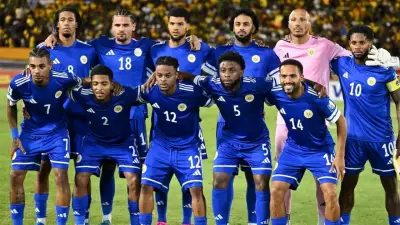
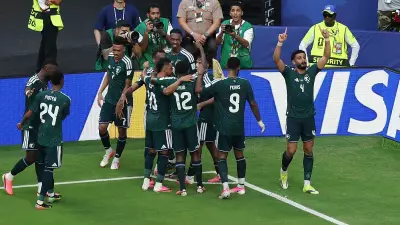
The FIFA World Cup 2026 has seen traditional European and South American powerhouses face unprecedented challenges from emerging teams in the group stages. No longer are these giants guaranteed easy passage, as underdogs from Asia, Africa, and other regions have stepped up their game, putting the old football hierarchy under severe pressure.
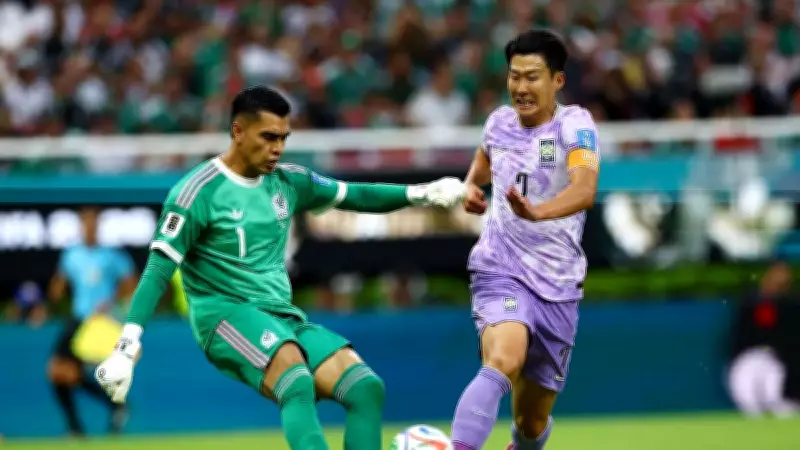
Asian powerhouse Japan, in particular, has showcased their evolution, no longer content to be in the shadows of their European rivals. They are pushing for a deeper run in the tournament, signaling a shift in global football dynamics. Similarly, teams like DR Congo have proven competitive, as seen in their match against Portugal, where Aaron Wan Bissaka faced off against Rafael Leao.
Impact on Traditional Giants
This trend has forced traditional football nations to reconsider their strategies. The group stages are no longer a formality for teams like Brazil, Germany, or Argentina. Instead, every match demands full focus and respect for opponents who are tactically disciplined and technically gifted.

According to Aditya K Halder, writing for the publication, “No freebies are on offer for traditional European and South American powerhouses in group stages.” This sentiment echoes the growing parity in international football, where investment in development and tactical innovation has leveled the playing field.
Rising Competitiveness Across Continents
The 2026 World Cup has highlighted the rise of football in Asia and Africa. Japan’s performance exemplifies this, as they have consistently troubled top teams with their quick passing and high pressing. Similarly, African nations like Senegal and Morocco have shown they can compete with the best, often dominating possession and creating chances.
This shift is not accidental. It is the result of years of investment in youth academies, better coaching, and exposure to top European leagues. As a result, the gap between traditional powerhouses and the rest is narrowing, making the tournament more unpredictable and exciting.
What This Means for the Knockout Stages
As the group stages conclude, the knockout rounds promise even more drama. Traditional giants who have advanced will have been tested, while emerging teams carry momentum and belief. The old hierarchy may be under pressure, but the beauty of football lies in its ability to surprise.
The 2026 World Cup is proving that underdogs are no longer just participants but genuine contenders. The question remains: can they sustain this challenge and dethrone the established order?