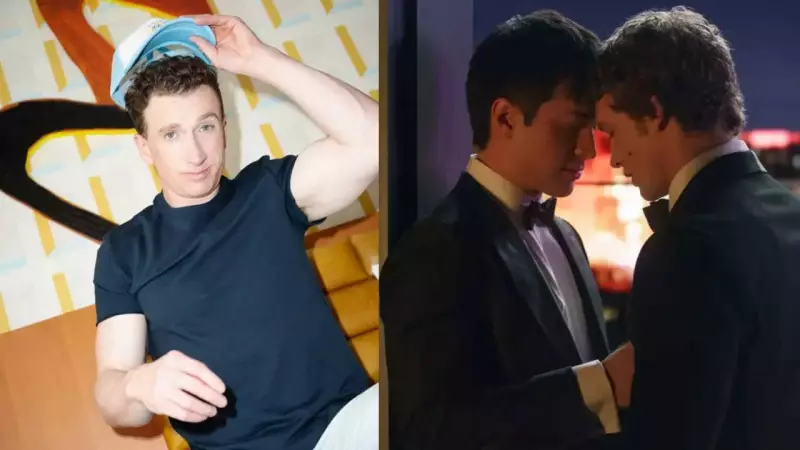
A fictional television series about a secret romance between two male hockey stars has reignited a crucial debate in the sport. While LGBTQ+ narratives are finding more space on major platforms, the question remains: can screen representation alone change a deeply rooted sports culture? For some, it feels like progress. For others, the chasm between the story on screen and the reality inside the locker room is still vast.
The Reality Check from Hockey's First Openly Gay Pro
Nobody understands that gap better than Brock McGillis. As the first openly gay professional hockey player, he has spent years navigating difficult conversations that often skirt the sport's hardest truths. While HBO's Heated Rivalry has drawn significant praise and attention, McGillis is clear that popularity does not automatically translate to real-world impact, especially in a sport he says still grapples with normalized homophobia.
In a recent interview with PinkNews, the 42-year-old advocate pushed back strongly against claims that the series could encourage current NHL players to come out. He "wholeheartedly" disagreed with former NHL player Sean Avery's belief that the show opens doors. "It's probably more likely to have an adverse effect on a player coming out," McGillis stated. "I hate to be negative because I really enjoy the show. But I also don't believe that many hockey bros are going to watch it. And I don't think, if they are watching it, they're talking about it positively."

Why Fiction Risks Oversimplifying a Complex Struggle
The series follows two fictional star players locked in a years-long secret relationship. While the storyline has resonated with many viewers, McGillis argues it risks oversimplifying the immense challenges real players would face. He points to his own experience after coming out in 2016, long after his semi-professional career had ended. Despite extensive media coverage at the time, he says the anticipated ripple effect never materialized.
"Nobody's like, 'Oh, yeah. This came out and now I'm ready [to come out],'" McGillis told PinkNews. "It's not happening." For him, the core issue is not a lack of stories but the entrenched culture surrounding the sport. He describes homophobia as something that "starts at a very young age and progresses," reinforced daily through casual language and behavior.
The show's depiction even triggered personal trauma for McGillis. "Episode one gave me a panic attack," he revealed, recalling the years he spent hiding his own relationship. "I dated a guy for three years, not a soul in my life knowing. We had an alias for [me in his phone] in case [his friends] ever saw."
A Glimmer of Hope Amidst the Criticism
Despite his pointed critique, McGillis does not dismiss the value of Heated Rivalry entirely. He believes it could play a role in helping the people around players—friends, family, fans—understand their potential struggles better. "It might help the people around [players] understand a little more if they're dating somebody; hopefully," he said.
Interestingly, he also maintains a firm faith in hockey teammates themselves. He contends that "If a player did come out, hockey players would be the most likely to rally around their teammate more than any of the other big sports." This nuance highlights the complex landscape where a strong team bond can coexist with a problematic broader culture.
For now, Brock McGillis remains focused on his advocacy work, consistently urging the hockey world to confront its realities head-on rather than leaning on fiction to do the heavy lifting. His message is clear: true change requires examining and dismantling the sport's cultural foundations, not just celebrating its fictionalized portrayals.