NHL Player Safety Debate Reignited After Dangerous Hit Injures Connor Zary
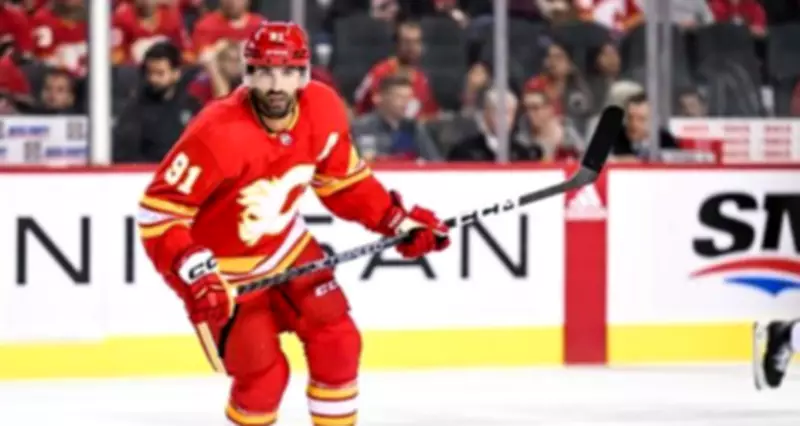
The National Hockey League is facing renewed scrutiny over player safety protocols following a concerning incident during a recent game between the Calgary Flames and Florida Panthers. Emerging Flames forward Connor Zary was injured after a dangerous hit from Panthers player AJ Greer, sparking immediate alarm among officials, players, and the broader hockey community.
Game Incident Details and Immediate Aftermath
The incident occurred during a heated battle between the two teams when Zary, who has been having a breakthrough season with Calgary, was carrying the puck in the offensive zone. Greer, trailing behind the play, delivered a forceful shove from behind that sent Zary crashing head-first into the boards. The Flames forward immediately lost his balance and collided violently with the barrier, prompting urgent concern from everyone on the ice.
Although Zary managed to skate off the ice under his own power, he was unable to return to the game, indicating a potentially significant injury. The Calgary Flames organization has adopted a cautious approach with their young star, promising further updates as medical evaluations progress. The team's initial assessment suggests they are prioritizing Zary's long-term health over immediate competitive considerations.

Broader Context and League Safety Concerns
This particular play falls squarely into categories the NHL has explicitly targeted for elimination: dangerous boarding and hitting from behind. League safety regulations have consistently emphasized preventing exactly this type of high-risk maneuver that endangers players' wellbeing. The incident has ignited widespread discussion about whether current enforcement measures are sufficient to deter such actions.
Many within the hockey community are pointing to perceived inconsistencies in how the Department of Player Safety adjudicates similar cases. There are growing calls for more stringent disciplinary measures, particularly as the league continues its efforts to reduce avoidable injuries and protect players from potentially career-altering collisions.
Expert Analysis and Potential Consequences
Former NHL goaltender and current broadcaster Kelly Hrudey offered pointed commentary during the game coverage, suggesting that Greer could face substantial suspension for his actions. Hrudey emphasized that the nature of the hit—coming from behind with significant force—warrants serious consideration by league officials during their review process.
The NHL has launched a formal investigation into the incident, with two primary focuses: monitoring Zary's recovery progress and determining appropriate disciplinary action for Greer. This case may become a landmark moment in ongoing conversations about player accountability and safety standards within professional hockey.
Implications for League Policy and Player Conduct
As the league examines this specific incident, broader questions are emerging about how effectively NHL rules are communicated to players and enforced during games. The hit has highlighted the delicate balance between maintaining hockey's physical nature while eliminating unnecessarily dangerous plays that compromise athlete safety.
This situation arrives at a time when player protection initiatives are receiving increased attention across professional sports. The outcome of the league's investigation and any subsequent disciplinary decisions will likely influence how similar incidents are handled throughout the remainder of the season and beyond.
The hockey world now awaits both medical updates on Zary's condition and the NHL's ruling on potential sanctions for Greer. This incident serves as another reminder of the inherent risks in professional hockey and the ongoing responsibility shared by players, officials, and league administrators to prioritize safety alongside competition.