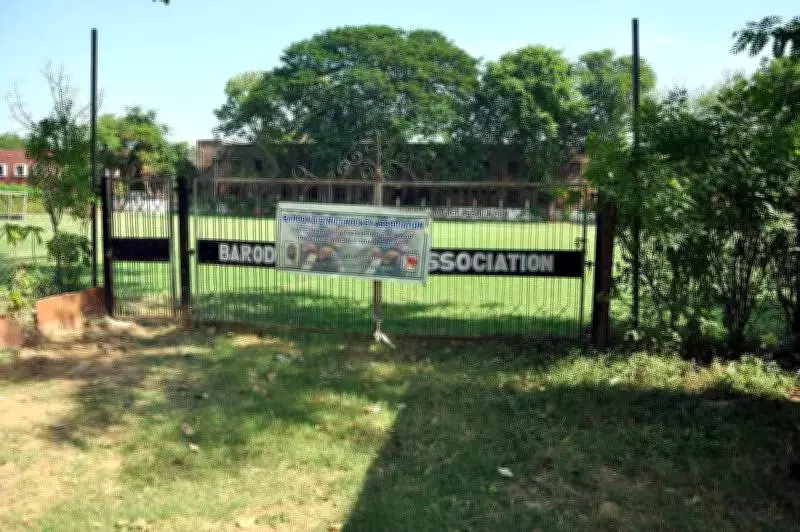
Vadodara's Iconic Hockey Ground Sealed in Prolonged Tax Dispute with Municipal Corporation
For generations, the historic Kala Bhavan ground in Vadodara served as a vital nursery for hockey talent, cultivating players who would go on to achieve national and international acclaim. This legendary venue was where Olympian Govindrao Sawant first honed his skills before representing India on the global stage, embodying the ground's rich legacy of sporting excellence.
Tax Dispute Escalates to Ground Closure in 2017
The enduring legacy of this iconic sporting facility was abruptly disrupted when players were compelled to vacate the premises following an escalating tax dispute with the Vadodara Municipal Corporation (VMC). The confrontation reached a critical point in 2017 when the VMC imposed a substantial commercial tax on the property and proceeded to seal the ground entirely, bringing all hockey activities to an immediate halt.
The local hockey association consistently maintained that they were not engaged in any commercial operations whatsoever. Instead, they emphasized their role in promoting the sport through coaching programs offered completely free of charge to young athletes, many of whom came from underprivileged backgrounds. Despite repeated appeals for relief and reconsideration, the ground remained firmly shut for several months, leaving players without access to proper training facilities until an alternative space was eventually allocated in the Akota area.

Years of Mounting Dues and Repeated Sealing Actions
This contentious issue had actually been brewing for years prior to the 2017 closure. The initial conflict emerged in 2013 when the VMC first sealed the expansive ground—which is owned by the esteemed Gaekwad royal family—and levied a commercial tax exceeding Rs 30 lakh. Although the ground was subsequently reopened after this initial action, the outstanding dues continued to accumulate with additional interest charges over time.
By 2017, the financial burden had swollen dramatically to approximately Rs 64 lakh, prompting the civic body to take decisive action by once again sealing the 8,000 square foot facility. This move effectively terminated all hockey operations at a venue that had served as a community sporting hub for decades.
Divergent Perspectives on Taxation and Social Responsibility
The Vadodara Municipal Corporation justified its stringent actions by citing a uniform commercial tax assessment policy applied to all playgrounds within its jurisdiction. Municipal authorities argued that consistent taxation standards must be maintained across all properties regardless of their specific usage or ownership circumstances.
Conversely, the hockey association presented a compelling counterargument that such a rigid policy failed to recognize the significant social role their organization played within the community. With absolutely no revenue-generating activities and a singular focus on grassroots training and development, the association emphasized that they simply could not bear such an extraordinary financial burden without compromising their essential community services.
Royal Intervention Finally Resolves Prolonged Deadlock
The prolonged deadlock finally began to ease in 2018 when Samarjitsinh Gaekwad, a respected scion of the royal family, intervened personally in the dispute. Demonstrating commitment to preserving the sporting heritage, Gaekwad paid Rs 32 lakh toward the outstanding dues and subsequently made the strategic decision to close the ground permanently to prevent it from continuing to attract the commercial tax rate.
This resolution marked the end of a contentious chapter for Vadodara's hockey community, though it came at the cost of permanently losing access to a historic training ground that had produced Olympic-caliber talent and served generations of aspiring athletes.