Raksha Khadse Highlights Women's Role in India's Olympic Success
In a significant statement, Raksha Khadse, a prominent figure in Indian sports, has underscored the critical importance of women's participation in driving India's Olympic medal ambitions. Speaking about the Asmita initiative, she emphasized that empowering female athletes is not just a matter of equality but a strategic necessity for boosting the nation's performance on the global stage.
The Asmita Initiative: A Game-Changer for Women in Sports
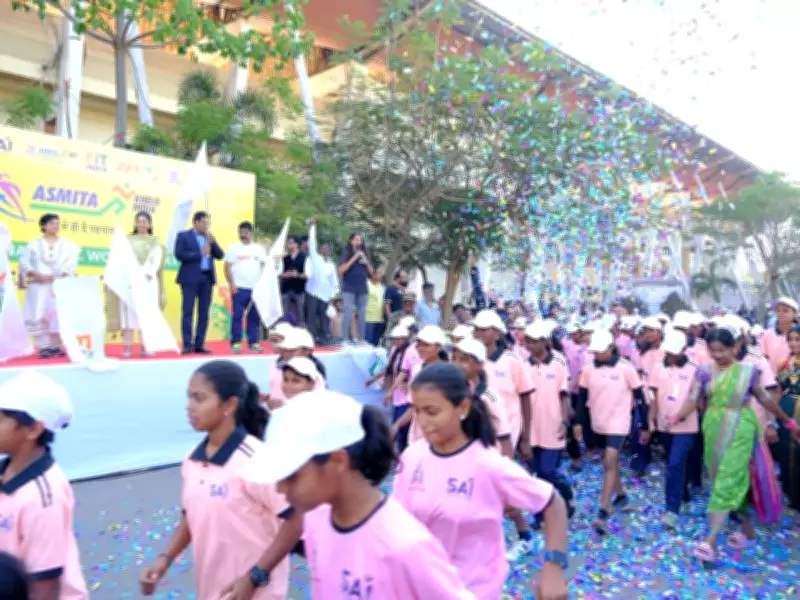
The Asmita initiative, a government-led program, aims to foster women's involvement in sports from the grassroots level. Khadse pointed out that this initiative provides essential support, including training, infrastructure, and financial assistance, to nurture talent across various disciplines. She noted that by increasing female participation, India can tap into a vast pool of untapped potential, which is key to achieving a higher medal count in future Olympic Games.
Current Landscape and Future Prospects
Khadse highlighted that while India has made strides in sports like badminton, wrestling, and athletics, with notable female athletes such as PV Sindhu and Sakshi Malik, there is still a long way to go. She stressed that initiatives like Asmita are crucial for addressing barriers such as lack of access, societal norms, and limited resources that often hinder women's sports development. By focusing on these areas, India can create a more inclusive and competitive environment, leading to sustained success in international competitions.

- Women's participation is a vital component for enhancing India's Olympic medal tally.
- The Asmita initiative plays a pivotal role in providing support and opportunities for female athletes.
- Grassroots development is essential to identify and nurture talent from an early age.
- Overcoming societal and infrastructural challenges is necessary to boost women's sports in India.
Impact on National Sports Strategy
Khadse's insights align with broader national efforts to improve sports infrastructure and funding. She argued that by prioritizing women's sports through programs like Asmita, India can not only increase its medal prospects but also promote health, empowerment, and gender equality. This holistic approach, she believes, will contribute to a stronger sports culture in the country, benefiting athletes and society alike.
In conclusion, Raksha Khadse's advocacy for women's participation via the Asmita initiative highlights a forward-thinking strategy for India's Olympic aspirations. As the nation continues to invest in its athletes, focusing on inclusivity and support for women could be the key to unlocking greater success on the world's biggest sporting stage.