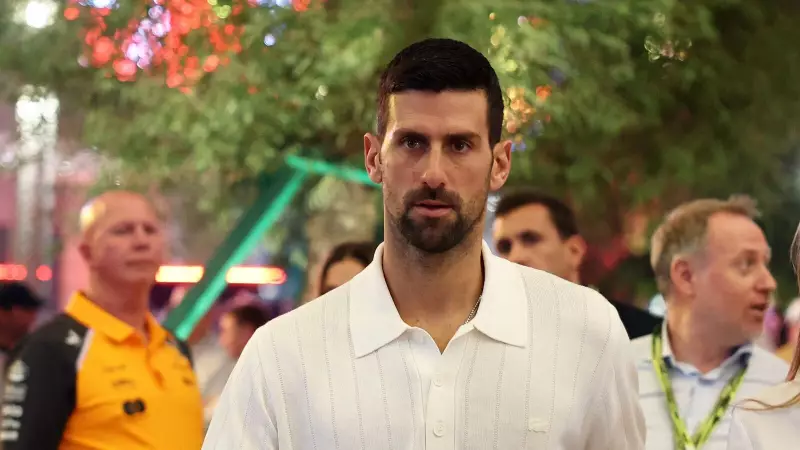
In a significant move that has sent ripples through the tennis world, Novak Djokovic has resigned from the Professional Tennis Players Association (PTPA), the very organization he helped establish. The announcement comes just as the tennis season builds towards the first Grand Slam of the year.
A Founding Member Steps Away
The Serbian champion was one of the co-founders of the PTPA back in 2020, aiming to create a stronger collective voice for professional tennis players. His decision to leave, confirmed on 5 January 2026, marks a pivotal moment for the association. While a detailed public statement is awaited, early indications suggest that Djokovic's departure stems from a fundamental misalignment.
Sources close to the development indicate that the 24-time Grand Slam winner felt his "values and approach" were no longer in sync with the direction the PTPA is taking. This philosophical divergence appears to be the core reason behind his sudden exit, raising questions about the internal dynamics and future strategy of the player-led body.

Timing Ahead of the Australian Open
The timing of this announcement is particularly notable, landing just as players finalize their preparations for the Australian Open 2026. Djokovic, a record ten-time champion at Melbourne Park, is expected to be a top contender once again. His move to distance himself from the PTPA at this juncture ensures the story will be a major talking point off the courts during the tournament.
It shifts focus from purely athletic pursuits to the ongoing governance and representation debates within professional tennis. The association, which was formed to advocate for players' rights, prize money fairness, and welfare, now faces its most public challenge with the departure of its most prominent founder.
Implications for the PTPA and Tennis
Djokovic's exit is a substantial blow to the PTPA's visibility and influence. His global stature brought immediate credibility and media attention to the group. Without him, the organization must now demonstrate its stability and purpose to its existing members and potential recruits.
The development prompts several immediate questions:
- Will other high-profile players follow Djokovic's lead?
- How will the PTPA recalibrate its mission and public messaging?
- What does this mean for the ongoing dialogue between player bodies and tournament organizers like the ATP and WTA?
For now, the tennis community is absorbing the news. All eyes will be on Djokovic for further clarification and on the PTPA's leadership as they navigate this new chapter. The coming weeks, especially during the high-profile setting of the Australian Open, will be critical in determining the long-term impact of this split.