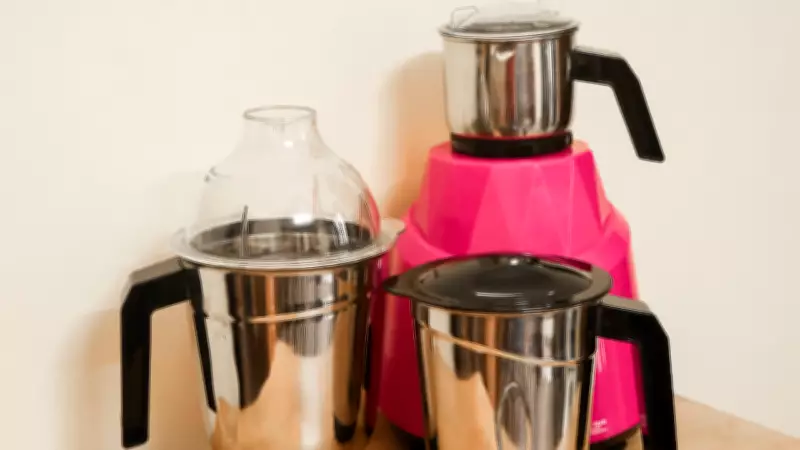
A mixer grinder is one of the hardest-working appliances in an Indian kitchen. It pulverises chutneys, whips up batters, crushes spices and saves time with a kind of efficiency that feels almost magical. But even this trusty machine has its limits. Not everything that looks grindable should go anywhere near its blades. Some foods can damage the motor. Some turn into a slippery, uneven mess. A few create heat, pressure or texture problems that make the results disappointing at best and hazardous at worst. Knowing what to keep out of the jar is less about being fussy and more about protecting both the appliance and the food. Here are nine foods you should think twice about before switching on the grinder.
Hot Liquids
A mixer grinder is built to handle blending, not steam pressure. Pouring in very hot soups, gravies or liquids can create a dangerous build-up inside the jar. The lid may pop, the contents may splash out, and the sudden heat can strain the appliance. Let hot mixtures cool slightly before blending them. Warm is fine. Boiling is not.
Ice Cubes in Large Amounts
A few small ice cubes may seem harmless, but a grinder is not the same as a heavy-duty blender. Too much ice can dull the blades, burden the motor and produce a noisy, uneven result. Instead of a smooth crush, you often end up with a mix of chunks and slush. If you need crushed ice regularly, use an appliance designed for that job.

Hard Spices in Bulk
Whole spices such as cinnamon sticks, nutmeg and dried turmeric can be ground in moderation, but stuffing too many hard spices into the jar is asking for trouble. The blades may struggle, the motor may heat up, and the spice may grind unevenly. A spice grinder or mortar and pestle is often a better choice for these dense ingredients.
Sticky Dough
This is one of the quickest ways to irritate both the machine and the cook. Thick dough can wrap around the blades, clog the jar and overwork the motor. What begins as a shortcut can quickly become a sticky cleanup session. Mixer grinders may handle small amounts of wet batter, but dough is better kneaded by hand or in a dough-specific appliance.
Fibrous Vegetables in Large Quantities
Vegetables like celery, raw mango peel, ginger in excess, corn husk-like fibres and similar stringy ingredients do not always break down cleanly. Their fibres can wrap around the blades or leave a coarse, patchy texture that defeats the purpose of grinding. Chop fibrous vegetables smaller first, or use a processor suited to chopping rather than pureeing.
Nuts Without Enough Liquid
Dry nuts may look ideal for grinding, but if the jar is overloaded or completely dry, the result can be rough, uneven and hard on the machine. Almonds, cashews and similar nuts need enough space and, in some cases, a little liquid to move properly around the blades. Grinding them in small batches gives a better texture and reduces strain on the motor.
Oily Seeds and Pastes in Excess
Ingredients such as sesame, peanuts and certain spice mixes can release oil quickly when overground. Instead of becoming a smooth powder or paste, they may turn greasy, clump together or stick to the jar walls. That makes the job harder and the result less usable. Short bursts are better than long runs. Stop, scrape down, and restart if needed.
Very Dry Grains in Huge Batches
Rice, wheat, millets and similar dry grains can be ground in a mixer grinder, but only in limited quantities. Overfilling the jar leads to uneven results, excessive vibration and possible motor stress. The appliance is not meant to replace a dedicated flour mill. If you need fine flour regularly, a grain mill is the safer long-term option.
Extremely Tough or Uncooked Ingredients
Whole sugarcane, coconut pieces with hard shell fragments, frozen blocks, bones and other ultra-hard items should stay far away from a mixer grinder. These ingredients can chip blades, damage the jar or overload the motor almost instantly. The rule here is simple: if it feels like it belongs in a workshop instead of a kitchen, it probably does.

A Little Caution Goes a Long Way
The mixer grinder is a powerful helper, but it is not invincible. Most of the damage people face comes from using it like a universal machine, capable of handling anything and everything. In reality, it works best when treated with a little respect. A good rule of thumb is this: if the food is too hot, too hard, too sticky or too fibrous, pause before you press start. Cutting ingredients smaller, using the right attachment and grinding in short bursts can extend the life of the appliance and improve the final texture too. In the kitchen, the smartest shortcut is often the one that knows its limits.