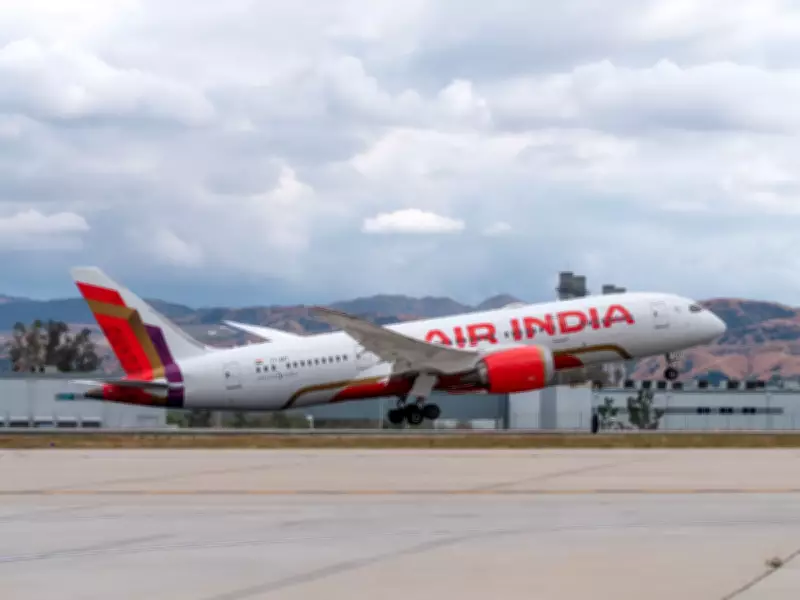
New Delhi: Desperate times call for desperate measures. Full-service carrier Air India is planning to make meals optional on its domestic and short international flights under two hours. Once this unbundling rolls out in the next month or two, passengers who opt out of meals could see their ticket prices reduced by up to Rs 250.
Unbundling of Services
According to sources, this move is on the anvil, and the airline is exploring several other unprecedented measures to navigate the severe cost-revenue turbulence caused by the prolonged West Asia conflict. While skipping meals could lead to slightly cheaper economy tickets, Air India is also considering unbundling lounge access for business class passengers. Those who forgo lounge access could benefit from lower ticket prices. On average, lounge operators charge between Rs 1,100 and Rs 1,400 per user at metro airports and Rs 600 to Rs 700 at non-metro airports, with an average spend of about Rs 1,000 per lounge. Many business class flyers are frequent travelers who arrive at airports just in time for their flights and do not use lounges. Unbundling this service could result in savings on their ticket costs. Banks have similarly reduced lounge access for credit card users to cut costs.
Reasons Behind the Move
Historically, Air India has bundled meals into its ticket prices. However, with the rising cost of aviation turbine fuel (ATF) and the depreciation of the rupee since February 28, ticket prices have been climbing. India is a price-sensitive market, and increasing fares beyond a certain point leads to a decline in traffic, as many passengers opt for train or road travel. This has prompted the airline to reconsider its meal bundling policy on some flights. Other cost-saving measures are also being evaluated.

Global Trends
Several airlines worldwide have unbundled their onboard offerings in recent years. Many international full-service carriers provide a basic meal in economy class while offering premium gourmet meals at an additional cost. Similarly, alcoholic beverages are often unbundled, with cheaper options provided free of charge and premium drinks charged separately. According to an industry veteran, the distinction between full-service and low-cost airlines is rapidly blurring for passengers.
Fleet and Revenue Strategies
Almost all narrow-body aircraft being delivered to the Air India group will be allocated to the Air India Express fleet to lower costs and increase revenue. These single-class planes have more seats and do not offer lounge access or free meals. To boost revenue, the group is considering displaying advertisements on the back of boarding cards for Air India Express flights, a practice already in place for Air India boarding cards.
Impact of the Iran War
The Iran war has adversely affected airlines globally, and Air India is no exception. The Tata group airline reported a loss of approximately Rs 24,000 crore last fiscal year. It has sought financial support from promoters Tata Sons and Singapore Airlines. Air India is the worst-affected Indian carrier by airspace closures to the west, which have significantly lengthened its nonstop flights to Europe, the UK, and North America. The airline is also searching for a new CEO.