

Britannica and Merriam-Webster Take Legal Action Against OpenAI in Federal Court
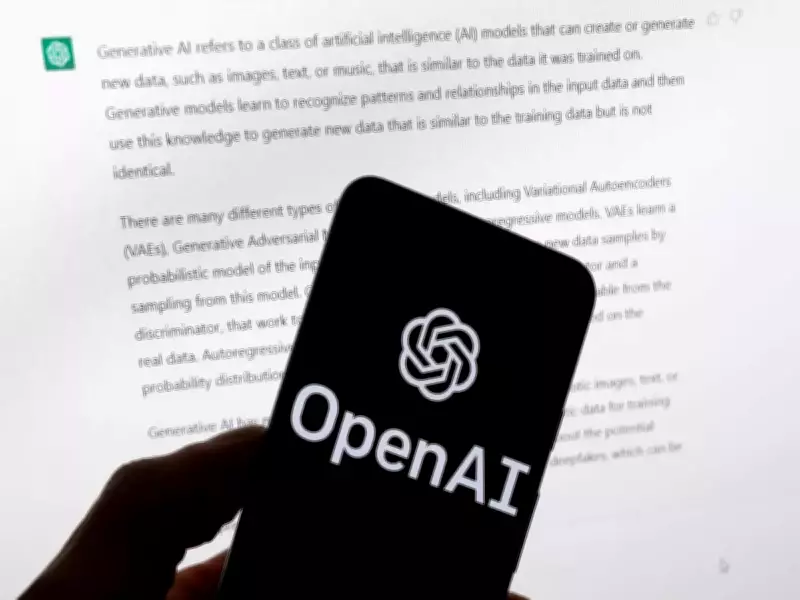
In a significant legal development, Encyclopedia Britannica – recognized as the world's oldest continuously published English-language general encyclopedia – along with its subsidiary Merriam-Webster, has initiated a lawsuit against OpenAI. The complaint was filed in Manhattan federal court, directly accusing the creator of ChatGPT of engaging in what they describe as 'illegal' utilization of their proprietary materials.
The core allegation centers on OpenAI allegedly employing Britannica's and Merriam-Webster's content to train its AI chatbot, ChatGPT. Furthermore, the lawsuit contends that this trained AI is now being used to redirect potential readers away from the plaintiffs' official websites, effectively siphoning their audience.
Specific Allegations and Claims in the Lawsuit
The legal filing presents detailed accusations against OpenAI. It asserts that the company copied nearly 100,000 articles from Britannica, encompassing a wide range of content including encyclopedia entries, dictionary definitions, and various reference materials. This data was purportedly used to train the large language models that form the foundation of ChatGPT's capabilities.

Britannica further claims that ChatGPT now generates responses that are 'near-verbatim' copies of its copyrighted content. The organization provided specific examples, highlighting instances where the AI delivers Britannica's work directly to users without directing those users to Britannica's own platform, thereby depriving the company of web traffic and potential revenue.
The complaint escalates the allegations by accusing OpenAI of trademark infringement. It suggests that OpenAI implies it has permission to reproduce Britannica's material when no such authorization exists. Additionally, the lawsuit points to instances where ChatGPT wrongfully cites Britannica as a source in AI-generated responses that contain factual inaccuracies, potentially damaging the encyclopedia's reputation for reliability.
Legal Remedies Sought by the Plaintiffs
Encyclopedia Britannica and Merriam-Webster are pursuing substantial legal remedies through this action. Their demands include:
- Awarding statutory damages, actual damages, and restitution of profits to the plaintiffs.
- Issuing a permanent injunction to prevent OpenAI from continuing the alleged unlawful conduct.
- Covering all legal costs, expenses, and attorneys' fees incurred during the proceedings.
- Granting any additional relief that the court deems appropriate and just.
The plaintiffs have not specified an exact monetary amount in damages, leaving that determination to the court's discretion based on the evidence presented.
OpenAI's Response and Broader Legal Context
OpenAI has responded to the allegations with a general statement, though not directly addressing the specific claims in the lawsuit. A spokesperson for the company stated, "Our models empower innovation, and are trained on publicly available data and grounded in fair use." This defense aligns with common arguments made by AI companies facing similar legal challenges.
This lawsuit is not an isolated incident for OpenAI. The company has previously faced multiple legal actions from content creators and media organizations. Notable cases include lawsuits filed by The New York Times between 2023 and 2024, The Authors Guild in 2023, and ANI Media in November 2024. Each of these cases revolves around similar allegations of unauthorized use of copyrighted material for AI training purposes.
Interestingly, Encyclopedia Britannica itself is actively engaged in this legal arena beyond the OpenAI case. The organization has filed a separate lawsuit against AI search startup Perplexity AI over comparable allegations, and that legal battle remains ongoing. This indicates a broader strategy by content providers to protect their intellectual property in the age of generative AI.

The outcome of this lawsuit could have far-reaching implications for the AI industry, potentially setting precedents regarding fair use, copyright law, and the ethical development of artificial intelligence technologies. As AI continues to evolve, the tension between innovation and intellectual property rights is likely to remain a contentious and legally complex issue.





