

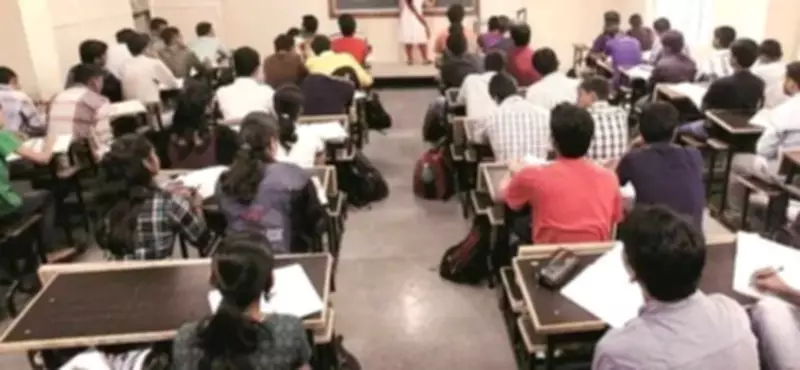
The education department in Ghaziabad has issued a comprehensive regulatory framework for coaching institutes, responding to complaints from students and parents. The new rules mandate that all tutors must hold at least a graduation degree, and institutes cannot charge fees exceeding a monthly or quarterly cycle at one time. Additionally, coaching centres are prohibited from offering any guarantees of good marks, top rankings, or admissions to preferred institutes as a means of enticing enrolment.
Fee Regulation and Transparency
Under the new guidelines, fee structures must be transparent, with receipts issued and refund policies clearly outlined. Fees must be deemed “fair and reasonable.” A senior education department official stated that unrealistic assurances often create financial pressure on families. For competitive exams like JEE and NEET, annual coaching fees range from Rs 1 lakh to over Rs 3 lakh, placing a significant burden on middle-class families. Mukesh Tyagi, a Ghaziabad parent, emphasized the importance of defining fair fees, noting that his son is in class 8. In January last year, an FIR was registered against FIITJEE’s Raj Nagar District Centre for operating without registration and abruptly shutting down, leaving around 800 students in distress. The centre had collected advance fees of Rs 3.5 lakh to Rs 5 lakh per student.
Faculty Eligibility and Background Checks
The order bars centres from appointing tutors without a graduation degree and prohibits hiring individuals convicted of offences involving moral turpitude. This move aims to ensure quality teaching and safeguard student welfare.

Infrastructure and Safety Norms
Coaching centres must operate from buildings compliant with National Building Code standards and hold valid fire safety certificates. The use of basements for classes is strictly prohibited. Adequate lighting, ventilation, safe electrification, and clean drinking water are mandatory. These measures follow the tragic deaths of three civil service aspirants in July 2024 when a basement in Delhi’s Rajinder Nagar flooded, and a 2023 fire in Mukherjee Nagar that injured 61 students. Security measures include CCTV cameras at entry, exit points, and classrooms with proper backup systems. Separate toilets for men and women, first-aid kits, and prominently displayed emergency contacts are also required.
Student Welfare and Grievance Redressal
Institutes are barred from scheduling excessively long classes or holding sessions at unreasonable hours. Each centre must maintain a complaint box or register and constitute an internal grievance committee. The order reiterates that no coaching centre may operate without registration. Institutes are also prohibited from employing teachers from government or aided schools. Authorities have warned of strict administrative action against unregistered centres or those found in violation. An official stated that the focus is on protecting students from misleading practices and ensuring a fair, safe, and regulated learning environment.
Compliance and Disclosure
In line with the Ministry of Education’s January 2024 national guidelines and Uttar Pradesh Coaching Rules 2002, institutes must maintain a functional website disclosing tutor qualifications, course details, fee structures, enrolment numbers, and result track records. Coaching centres are directed to display all information and regulatory guidelines on noticeboards at their premises and entry gates, helping parents make informed decisions and hold institutes accountable. Last year, Noida issued a similar directive focusing on student mental health, mandating disciplined environments, regulated schedules, and adequate facilities to reduce stress. Regular inspections of coaching centres will ensure compliance with prescribed standards, including proper seating, cleanliness, fire safety, functional emergency exits, and adherence to class timings. Institutes are also required to appoint trained counsellors, conduct periodic staff training, and ensure access to medical facilities.






