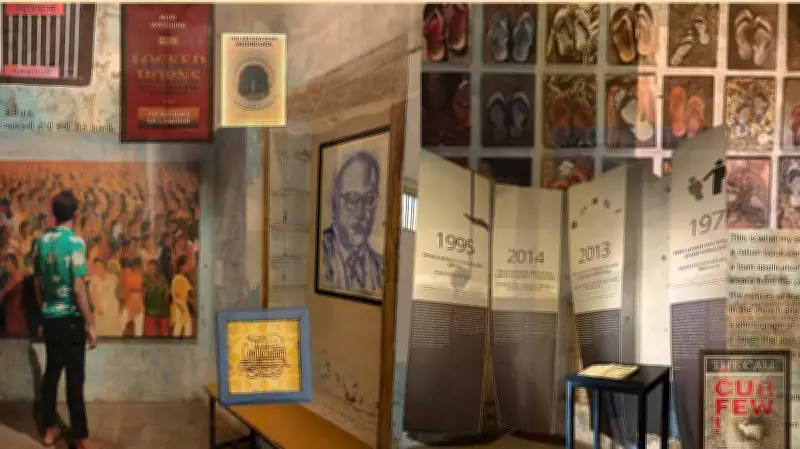
The India Foundation for the Arts (IFA) has announced the opening of its archives to the public, providing an unprecedented opportunity for researchers, artists, and cultural enthusiasts to explore a rich collection of materials documenting Indian arts and culture. The archives, housed in Bengaluru, contain a vast array of documents, photographs, audio-visual recordings, and publications that trace the evolution of various art forms across the country.
What the Archives Offer
The IFA archives include project reports, grantee works, and organizational records spanning over three decades. This collection is a treasure trove for those studying contemporary Indian art, traditional practices, and the intersection of culture with social issues. Key highlights include documentation of folk arts, theater productions, dance performances, and visual arts projects supported by IFA over the years.
Access and Usage
Access to the archives is free, but prior appointment is required. Researchers can visit the IFA office in Bengaluru to browse materials, with assistance from the foundation's staff. Digitization efforts are underway to make selected resources available online, though physical visits remain the primary mode of access for now. The foundation encourages scholars, students, and practitioners to utilize these resources for academic and creative purposes.

Preserving India's Cultural Heritage
IFA's decision to open its archives aligns with its mission to nurture and sustain the arts in India. By making these materials publicly accessible, the foundation aims to foster a deeper understanding of the country's diverse cultural expressions and support ongoing research. The archives also serve as a repository for the history of arts funding and development in India, offering insights into the evolving landscape of patronage and artistic practice.
How to Visit
Interested individuals can schedule a visit by contacting IFA through their website or phone. The foundation recommends planning ahead, as the archives are not open on weekends. For those unable to visit in person, IFA is working on a digital archive that will eventually provide online access to a significant portion of the collection.