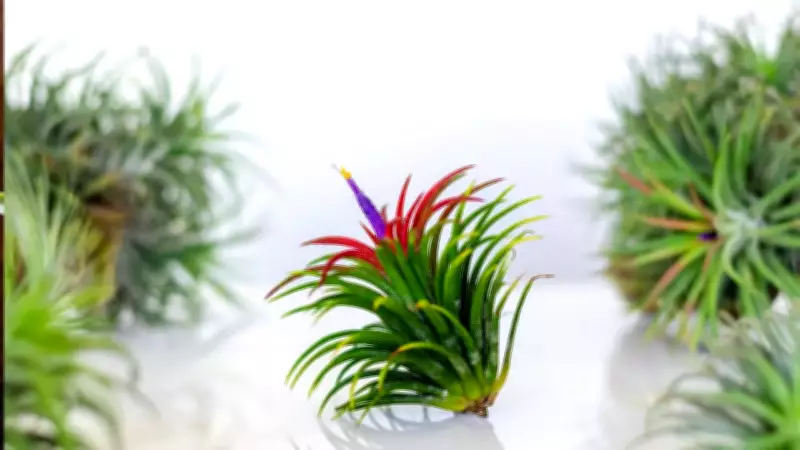
Are you someone who loves greenery and plants around them but always hold yourself back due to space constraints? Then we have some smart plants that can grow without space and can make for perfect indoor plants. Well, these plants are perfect for gardening enthusiasts, as there is no mess of spilled potting soil or the risk of soil-borne pests like fungus, worms, etc. Fortunately, a wide variety of hardy house plants can thrive beautifully without a single grain of dirt. By utilizing alternative growing methods like plain water, hydroculture, or simply mounting them to a supportive surface, you can enjoy a lush, green indoor jungle that is clean, low-maintenance, and visually striking.
1. Pothos (Epipremnum aureum)
Pothos is widely celebrated as one of the most resilient indoor plants available, making it the perfect candidate for soilless growing. It adapts incredibly well to living permanently in water, producing a robust system of clean, white roots. To grow Pothos without soil, simply cut a healthy vine just below a root node and place it in a glass vessel filled with clean water. The transparent glass allows you to watch the root network expand, turning the root system itself into a beautiful design feature. To keep your Pothos thriving long-term, place it in bright, indirect sunlight. Change the water every one to two weeks to prevent stagnation and algae growth, and add a few drops of liquid fertilizer designed for hydroponics every few months to provide essential nutrients.
2. Lucky Bamboo (Dracaena sanderiana)
Despite its common name, Lucky Bamboo is actually a member of the Dracaena family and is famous for its ability to grow entirely in water. It is a staple in home feng shui and minimalist interior design due to its clean lines and sculptural stalks. Growing lucky bamboo without soil is incredibly straightforward. You simply place the stalks in a vase filled with an inch or two of water, using a layer of pebbles or decorative stones at the bottom to anchor the heavy stalks and keep them standing upright. This plant prefers moderate or indirect light, as harsh, direct sunlight can scorch its vibrant green leaves. Because it is highly sensitive to the chlorine and fluoride found in standard tap water, it is best to use distilled, purified, or rainwater to keep the roots healthy and prevent the leaf tips from turning yellow.

3. Philodendron
Similar to Pothos, trailing Philodendrons are exceptionally versatile and transition seamlessly from soil to water cultivation. Their heart-shaped leaves and cascading growth habit make them a gorgeous addition to floating shelves or high countertops. You can start your soilless Philodendron by taking a stem cutting with a few nodes attached and submerging the base in water. Within a few weeks, you will see a fresh root system emerge that is perfectly adapted to absorbing oxygen and nutrients directly from the liquid. Philodendrons thrive in warm environments with bright, indirect light. Because water lacks the natural nutrients found in organic soil, adding a heavily diluted, water-soluble fertilizer during the spring and summer growing seasons will ensure the leaves remain large, glossy, and vibrant.
4. Air Plants (Tillandsia)
Air plants are unique botanical wonders that completely redefine how we think about gardening. Tillandsia species are epiphytes, which means they naturally grow on trees and rocks, not in the ground. They use their roots to hold onto things and do not absorb nutrients through roots. Instead, they get all the water and food they need through specialized structures on their leaves called trichomes. You can display Tillandsia in glass terrariums, seashells, or mounted directly onto driftwood. Caring for air plants differs from water-grown plants: you need to mist them several times a week or submerge them in a bowl of water for 20 to 30 minutes every week or two. Ensure they dry completely after watering to prevent rot.

5. Spider Plants (Chlorophytum comosum)
Spider plants are highly adaptable and famous for producing baby plants, or spiderettes, that hang from long, curved stems. These offsets are perfect for soilless propagation and long-term water culture. To grow them without dirt, gently snip a mature spiderette from the main plant and suspend its base in a small jar of water, making sure the leaves stay dry. The baby plant will rapidly establish roots and can continue to grow happily in its water environment indefinitely. Spider plants prefer bright, indirect light and are excellent at purifying indoor air. To maintain their health, refresh the water frequently to keep oxygen levels high, and occasionally wipe down the long, pointed leaves to remove dust so they can photosynthesize efficiently.