Infosys CEO Salil Parekh Dispels AI Job Loss Fears, Predicts IT Industry Growth
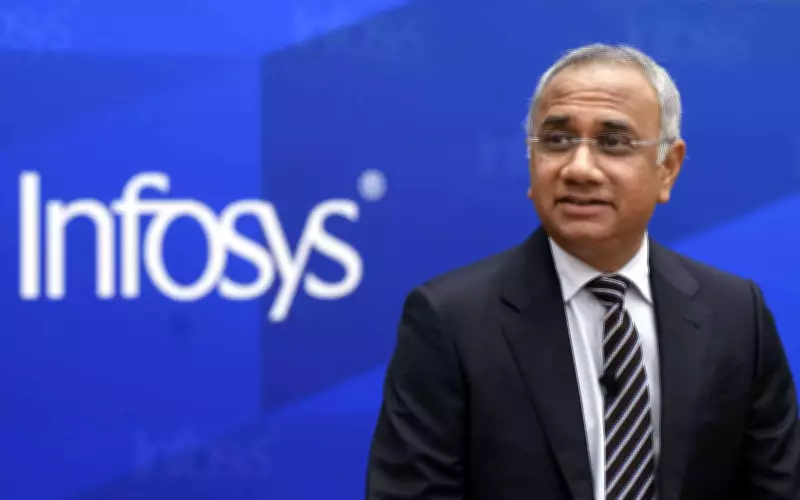
Software engineers can breathe easier as their roles are set to evolve rather than disappear, according to Salil Parekh, CEO of Infosys, India's second-largest IT company. In an exclusive interview with the Economic Times, Parekh addressed widespread concerns about artificial intelligence tools disrupting the core business of IT services firms like Infosys, offering a reassuring outlook for the sector's future.
AI Market Size and IT Industry Resilience
When questioned about predictions that the IT services industry could be decimated by AI within five years, Parekh provided a data-driven perspective. He noted that the global tech services market is valued at $1.5 trillion, while the AI services segment is estimated at $300-400 billion. This analysis leads him to conclude that the Indian IT industry will not only survive but thrive by 2030. Parekh emphasized that Infosys is strategically positioned to leverage six key growth areas, ensuring revenue generation from these emerging opportunities.
Agentic AI and Coexistence with Legacy Systems
Discussing the impact of Agentic AI tools on companies such as Infosys, Parekh described the technology landscape as a brownfield area, blending old and new elements. He explained that while foundational AI models are advancing rapidly, their integration into large enterprises is a gradual process. Infosys's engineering expertise is crucial in ensuring these technologies work seamlessly within organizational frameworks, rather than causing overnight replacements. This approach underscores the need for coexistence and adaptation.

Positive Business Environment in the United States
Parekh highlighted an improving business climate, particularly in the US, where regulatory reductions and potential interest rate cuts are fostering a more supportive environment. He stated, The macro at this stage is looking better than it was 12 months ago, indicating optimism for increased IT spending and project expansions.
Hiring and Workforce Development
Addressing concerns about job security in India's IT sector, Parekh pointed to Infosys's robust hiring plans. The company is on track to recruit 20,000 college graduates in India by March, with 18,000 already onboarded in the third quarter. Additionally, Infosys has announced intentions to hire another 20,000 graduates next year, reflecting confidence in growing project demands. Parekh acknowledged that while AI agents will be utilized, the overall workforce size is expected to increase, with employees gaining specialized skills over time.
Infosys's AI Strategy and Innovation Efforts
On Infosys's AI strategy, Parekh detailed several initiatives:
- Building agents for clients using foundational models, with large-scale projects already showcased.
- Transforming customer service processes through AI to reduce time and enhance quality.
- Modernizing legacy systems for companies with outdated technology.
He described these efforts as part of a huge opportunity in AI services, positioning Infosys as a trusted partner for global clients. Parekh also addressed criticism about the Indian IT industry's contribution to startups, noting that Infosys maintains an innovation fund with investments in areas like data analytics and healthcare, though its focus remains aligned with client needs.
In summary, Salil Parekh's insights challenge alarmist views on AI-induced job losses, instead painting a picture of adaptation, growth, and sustained employment in the IT sector, backed by strategic hiring and technological integration.