Middle East Conflict Sparks LPG Shortage, Crippling Food Delivery Services
The protracted war in the Middle East has precipitated a severe liquefied petroleum gas (LPG) crisis, sending shockwaves through India's food delivery sector. Major platforms like Zomato and Swiggy are grappling with significant operational disruptions as fuel scarcity hampers their delivery networks. This development underscores how geopolitical tensions can directly impact domestic economies and everyday services.
Gig Workers Bear the Brunt of Plummeting Orders
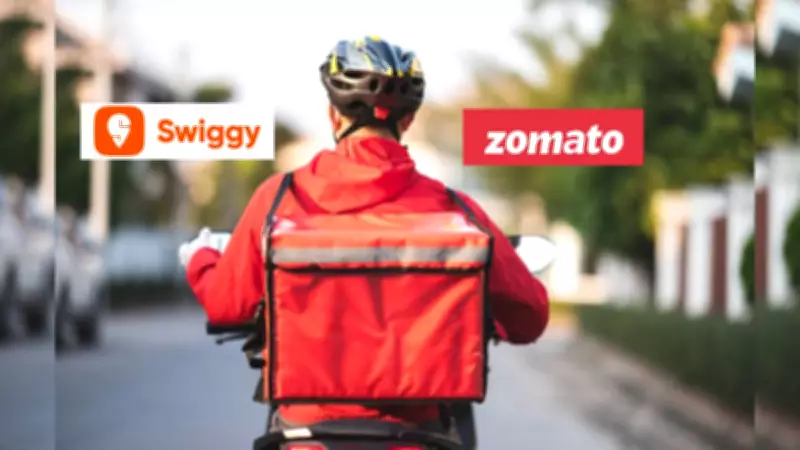
Delivery executives, who form the backbone of these gig economy platforms, are experiencing a sharp decline in order volumes. The LPG shortage has forced many riders to reduce their working hours or cease operations entirely, leading to widespread financial distress. With fuel becoming increasingly scarce and expensive, the viability of food delivery as a livelihood is under severe threat. Workers report that the number of daily deliveries has dropped by as much as 40-50% in some urban areas, exacerbating their economic vulnerabilities.
Operational Challenges for Zomato and Swiggy
Both Zomato and Swiggy have acknowledged the logistical hurdles posed by the fuel crisis. The companies are struggling to maintain their usual delivery timelines and service coverage, particularly in regions heavily dependent on LPG for two-wheeler vehicles. This situation has prompted internal reviews of contingency plans and potential adjustments to delivery zones. Customers are facing longer wait times and, in some cases, outright cancellations, which could damage the platforms' reputations and customer loyalty in the long term.

Broader Economic Implications of the Fuel Scarcity
The LPG crisis, stemming from disrupted supply chains due to the Middle East conflict, highlights the interconnectedness of global markets. Beyond food delivery, other sectors reliant on affordable fuel are also feeling the pinch. This event serves as a stark reminder of how regional conflicts can have cascading effects on international trade and local industries. Analysts warn that prolonged fuel shortages could lead to inflationary pressures and further strain on India's service economy.
In response, industry stakeholders are calling for government intervention to stabilize fuel supplies and support affected workers. The situation remains fluid, with companies and delivery personnel alike hoping for a swift resolution to the geopolitical tensions to restore normalcy to their operations.