A man who made more than £300,000 by secretly completing coursework and online exams for students has been sentenced to three years in prison after a university investigation uncovered his operation.
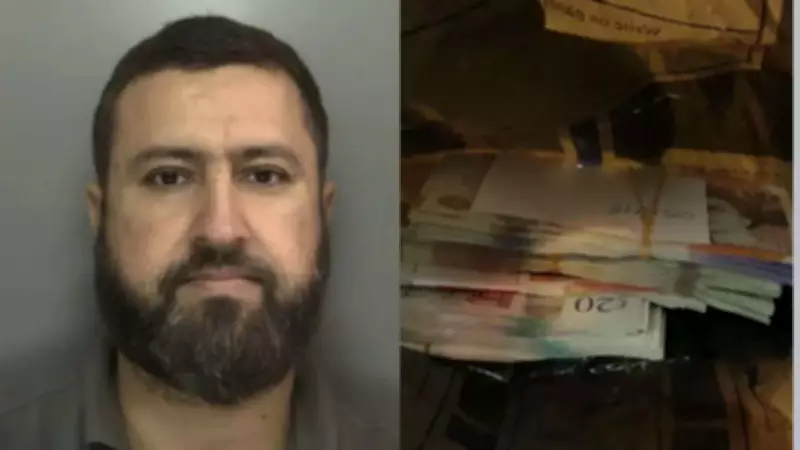
Shahid Adnan, 34, from Liverpool, was sentenced after admitting fraud and money laundering offences linked to a scheme involving students at Liverpool John Moores University and other institutions.
Adnan used students' login credentials to access their accounts, complete assignments, and sit online examinations on their behalf in exchange for payment. He also operated a company called “Study Sharp Ltd” through which the illegal work was conducted.

The fraud was discovered on 24 February 2023 when a student submitted a pen drive containing coursework to a senior computer forensics manager at the university. Routine checks revealed the device had previously been used by Adnan and contained links to his business. Further examination uncovered spreadsheets holding personal login credentials of other students, along with details of modules and deadlines. The findings suggested Adnan had been accessing the university’s systems to submit work and take exams fraudulently. The case was handed over to Merseyside Police’s Cyber Dependant Crime Unit, which executed a search warrant at his home and arrested him.
Adnan later admitted he had taken an exam for one student and accessed their account using their details, for which he was paid £250. He claimed he was “not aware” of requiring authority from the university to log into the account. He may have carried out similar work for around 124 students at universities worldwide.
Adnan was living far beyond his declared income as a tutor and Amazon Flex delivery driver. His accounts showed large sums of money, including £1,505,156 in a Barclays account, £600,590 in a Lloyds personal account, £245,279 in a Lloyds business account, and £110,214 in PayPal. He also owned two cars, an Audi and a BMW, along with expensive furnishings.
He was charged with fraud by false representation, causing a computer to perform a function to secure or enable unauthorised access to programme data, and money laundering. He admitted the first two offences on 2 September and later pleaded guilty to money laundering on 7 October 2025.
A timetable has now been set to recover the money made from his offending.