Microsoft's Gaming Leadership Shake-Up Ignites Controversy and Online Backlash
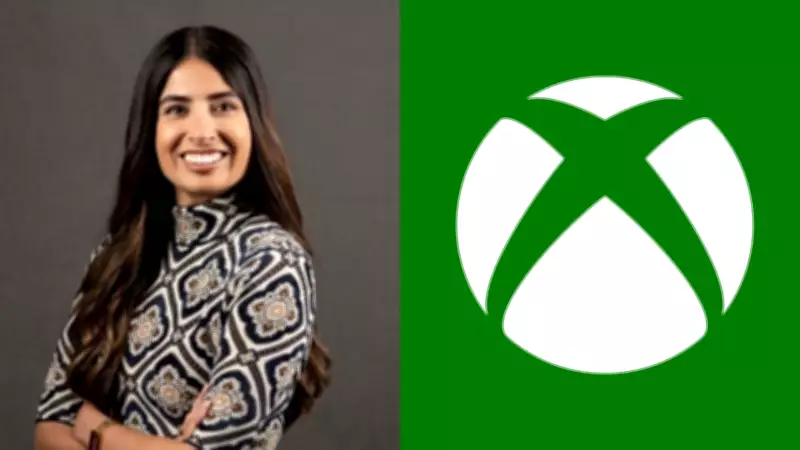
Microsoft Corporation has confirmed a significant leadership transition within its gaming division, appointing AI executive Asha Sharma as the new chief executive of Xbox. This move replaces Phil Spencer, who is retiring from his role as Xbox boss, while Xbox President Sarah Bond is also departing. The announcement was made by Microsoft CEO Satya Nadella in an official blog post on Friday, detailing a restructuring that sees games studios chief Matt Booty becoming chief content officer, reporting directly to Sharma.
Asha Sharma's Professional Background and Career Trajectory
Asha Sharma most recently served as President of Core AI Product at Microsoft, bringing extensive consumer and product expertise to her new position. Her career includes senior leadership roles at prominent technology companies such as Instacart and Meta Platforms. Additionally, Sharma has held board positions at major corporations including The Home Depot and Coupang. Her history with Microsoft dates back to earlier in her career when she worked in the company's marketing department before departing in 2013. She returned to Microsoft two years ago in a senior artificial intelligence leadership capacity, setting the stage for her current appointment.
Online Criticism and Accusations of 'Indian Nepotism'
The leadership change has sparked considerable backlash on social media platform X, where numerous users have questioned Sharma's qualifications based on her perceived lack of direct gaming industry experience. One user explicitly stated: "Asha Sharma, the new head of Xbox, is an AI executive with no background in gaming." Another comment took a more inflammatory tone, alleging: "Microsoft is literally just indian nepotism now. That's the whole company." This user connected Sharma's appointment to broader technical issues at Microsoft, suggesting her hiring exemplified preferential treatment toward Indian executives.

Further criticism emerged questioning corporate hiring practices, with one user remarking: "I'm sure I need 6 years of software development experience, a 4.0 GPA at a top university, and 20 side projects to get a minimum wage internship at Microsoft, but the CEO knows nothing about video games." Another post directly examined Sharma's professional history, reproducing details from her LinkedIn profile to claim she had "Never held a position for more than 4 years (climbing the corp ladder)" and questioning the depth of her long-term leadership experience.
Broader Political Context and Defense of the Appointment
The criticism occurs against a backdrop of political debate in the United States, particularly among certain conservative factions where Indian-origin executives and the H1-B visa program have faced increased scrutiny. High-profile Indian-American figures including FBI director Kash Patel, second lady Usha Vance, and former DOGE lead Vivek Ramaswamy have similarly drawn attention in these discussions.
Despite the backlash, some users have defended Microsoft's decision, arguing that a chief executive does not necessarily need to design or play video games to effectively manage a gaming business. These defenders suggest that much of the criticism directed at Sharma stems from underlying racism against individuals of Indian descent rather than legitimate concerns about her qualifications.
Microsoft Gaming Division's Recent Challenges and Future Direction
Microsoft's gaming arm has navigated a difficult period over the past decade, facing intense competition from industry rivals Sony and Nintendo. Former Xbox chief Phil Spencer acknowledged in 2024 that the 2013 Xbox One launch "lost the worst generation to lose," highlighting strategic missteps. The company has pursued aggressive expansion through major acquisitions, most notably the $69 billion purchase of Activision Blizzard, aiming to extend its reach beyond consoles into PC and mobile gaming markets.

However, this growth has come with significant workforce reductions, with Microsoft laying off more than 2,500 gaming employees since 2024 and closing several development studios. In her introductory email to staff, Sharma emphasized her commitment to Xbox's core community, stating: "We will recommit to our core Xbox fans and players, those who have invested with us for the past 25 years, and to the developers who build the expansive universes and experiences that are embraced by players across the world." She added: "We will celebrate our roots with a renewed commitment to Xbox starting with console, which has shaped who we are."
The leadership transition represents a pivotal moment for Microsoft's gaming strategy as the company seeks to revitalize its position in an increasingly competitive global market while addressing both internal restructuring and external criticism.