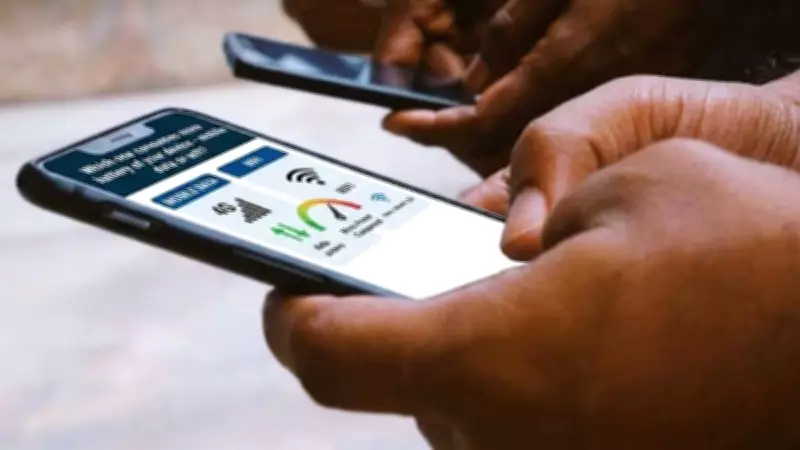
In the eternal debate between mobile data and Wi-Fi, a new question has emerged: which one drains your phone battery faster? Experts have weighed in, and the answer might surprise you.
The Verdict: Mobile Data Consumes More Power
According to telecommunications experts, using mobile data (4G or 5G) typically drains your battery faster than connecting to a Wi-Fi network. The reason lies in the way your phone communicates with cell towers. When on mobile data, your device constantly searches for the best signal, especially in areas with weak coverage, which requires more power. In contrast, Wi-Fi connections are more stable and require less energy to maintain.
Why Mobile Data Drains Battery Faster
- Signal Strength: Your phone works harder to maintain a connection when the mobile signal is weak, leading to higher battery consumption.
- Network Type: 5G networks, while faster, can be more power-hungry than 4G, especially in early stages of deployment.
- Background Activity: Apps often refresh more aggressively on mobile data, causing additional drain.
Wi-Fi: The Battery-Friendly Option
Wi-Fi generally uses less power because your phone doesn't have to search for a signal constantly. However, the type of Wi-Fi network matters. Older standards like 802.11n are more efficient than newer ones like Wi-Fi 6, but the difference is minimal compared to mobile data.

Tips to Save Battery Life
- Switch to Wi-Fi whenever possible, especially for data-intensive tasks like streaming or downloading.
- Turn off mobile data when you have a strong Wi-Fi connection.
- Disable background app refresh for non-essential apps.
- Use battery saver mode to limit background activity.
Ultimately, the choice between mobile data and Wi-Fi depends on your needs, but for battery conservation, Wi-Fi is the clear winner. Keep these tips in mind to make your phone last longer throughout the day.