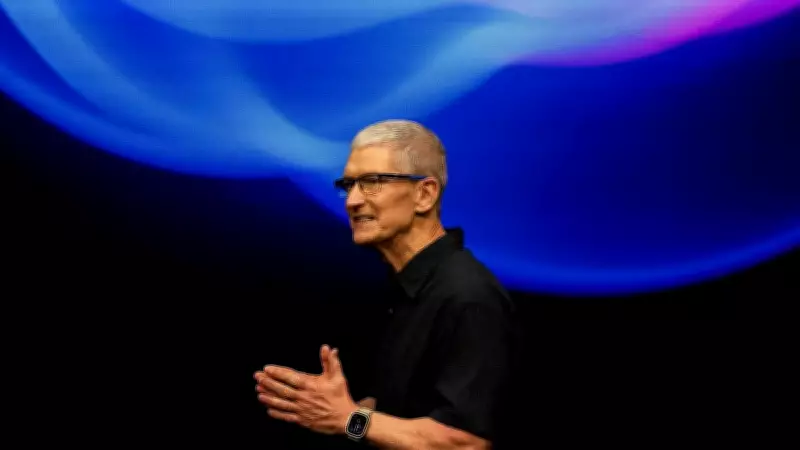
Tim Cook Concludes Historic 15-Year Run as Apple CEO
In a significant corporate announcement, Apple Inc. has confirmed that Tim Cook will step down from his role as Chief Executive Officer, marking the end of a transformative 15-year tenure at the helm of the technology behemoth. This leadership transition is scheduled to take effect from September 1, 2026, according to official statements released by the company.
A New Era Begins: John Ternus Takes the Reins
The board of directors has named John Ternus as Cook's successor. Ternus currently serves as Apple's Senior Vice President of Hardware Engineering, a position where he has overseen critical product development across multiple device categories. His appointment signals a continuation of Apple's focus on hardware innovation and engineering excellence.
Cook's Legacy: From Operations Guru to Visionary Leader

Tim Cook's journey with Apple represents one of the most remarkable corporate success stories in modern technology history. Originally joining Apple in 1998 as Senior Vice President for Worldwide Operations, Cook quickly established himself as a master of supply chain management and operational efficiency. His promotion to Chief Operating Officer in 2005 positioned him as the natural successor when Steve Jobs stepped down due to health concerns.
Upon assuming the CEO role in August 2011, Cook faced the daunting challenge of following in the footsteps of Apple's iconic co-founder. Over the subsequent 15 years, he guided Apple through unprecedented growth, expanding the company's market capitalization from approximately $350 billion to over $3 trillion at various points during his tenure.
Transformative Achievements Under Cook's Leadership
During his time as CEO, Cook presided over several landmark developments that reshaped both Apple and the broader technology landscape:
- Product Expansion: The introduction of entirely new product categories including the Apple Watch, AirPods, and various services that now represent significant revenue streams
- Financial Milestones: Apple became the first publicly traded U.S. company to reach a $1 trillion market capitalization in 2018, followed by the $2 trillion and $3 trillion milestones in subsequent years
- Global Operations: Dramatic expansion of Apple's retail presence and manufacturing capabilities worldwide
- Environmental Initiatives: Ambitious commitments to carbon neutrality and sustainable manufacturing processes
- Privacy Advocacy: Positioning privacy as a fundamental human right and differentiating feature of Apple's products
The Transition Plan and Future Leadership
The announcement specifies that Cook will remain with Apple in an advisory capacity through the transition period and beyond, ensuring continuity and institutional knowledge transfer. His successor, John Ternus, brings nearly two decades of experience at Apple, having joined the company in 2001 and risen through the engineering ranks.
Ternus has played instrumental roles in developing multiple generations of iPhone, iPad, and Mac products. His leadership of the hardware engineering team has been credited with several breakthrough innovations, including the transition to Apple's custom silicon processors and advancements in display technology.
Industry Implications and Market Response
This leadership change at the world's most valuable technology company comes at a pivotal moment in the industry's evolution. As artificial intelligence, augmented reality, and next-generation computing platforms emerge as competitive battlegrounds, Apple's new leadership will face both significant challenges and opportunities.
Market analysts anticipate that Ternus's engineering background will influence Apple's strategic direction, potentially accelerating hardware innovation while maintaining the company's signature integration between hardware, software, and services. The transition period of more than two years provides ample time for knowledge transfer and strategic planning.

Tim Cook's departure marks the end of an era for Apple, but the structured transition and selection of an experienced internal successor suggest the company aims for stability and continuity. As September 2026 approaches, the technology world will watch closely to see how Apple navigates this significant leadership change while maintaining its position at the forefront of innovation.