

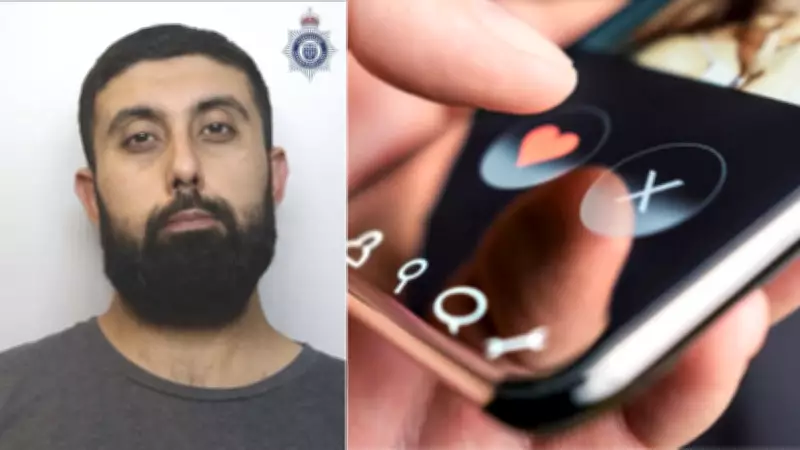
A man in the United Kingdom has been convicted for creating a fake Tinder profile of his former girlfriend, where he solicited men to engage in 'rape fantasy' scenarios with her. The conviction marks a significant legal action against cyber-enabled harassment and identity theft.
Case Details
The defendant, whose identity has not been disclosed, set up a fraudulent account on the popular dating app using the victim's photographs and personal details. He then sent messages to multiple men, explicitly requesting them to participate in violent sexual fantasies involving the victim. The fake profile included instructions for men to contact the victim directly, leading to a barrage of disturbing messages and calls.
Legal Proceedings
The case was heard at a UK court, where the man pleaded guilty to charges of harassment and making a false representation. The court heard how the victim suffered severe emotional distress and anxiety due to the ordeal. The judge described the actions as 'calculated and cruel,' emphasizing the psychological impact on the victim.

The prosecution argued that the defendant's behavior amounted to a form of digital stalking and exploitation, which has become increasingly common with the rise of social media and dating platforms. The conviction sends a strong message that such offenses will be taken seriously.
Victim's Statement
In a statement read to the court, the victim said she felt violated and terrified after receiving explicit messages from strangers. She expressed relief that the perpetrator was held accountable and hoped her case would encourage other victims to come forward.
Broader Implications
This case highlights the growing issue of 'digital impersonation' and 'non-consensual intimate image abuse,' often referred to as revenge porn. Legal experts note that laws in the UK have been updated to address such crimes, but enforcement remains challenging. The conviction serves as a deterrent and underscores the need for robust online safety measures.
Authorities have urged dating app users to report suspicious profiles and verify the authenticity of accounts. Tinder has policies against impersonation, but the platform relies on user reports to identify fake profiles.
Conclusion
The man is scheduled for sentencing at a later date. The case has drawn attention to the psychological harm caused by online harassment and the importance of legal frameworks to protect victims. As digital interactions become more prevalent, such convictions are crucial in establishing accountability in the virtual world.






